Posted on

Summer selling for an autumn move

Summer is a great time of year to sell your home. With bright, sunny days, gardens at their greenest and flowers blooming, your marketing photos will look fabulous!

More daylight hours and generally better weather than at other times of year give people much more opportunity to view your home at its best and brightest. And there’s nothing like a sunny day to put people in a great mood, which means they’re more likely to have a positive mindset when they’re viewing.

So, how can you best take advantage of the benefits of selling during the summer?

Photographs

The marketing photographs in your brochure and online advertising play a huge part in enticing buyers to view your home. Importantly, they’ve got to be in line with the season, so if your home’s already on the market and the photos were taken earlier in the year, we’d suggest you replace them with some up-to-date ones.

Have the interior photographed when there’s maximum daylight outside so the sun streams in through the windows, really boosting the natural brightness of your rooms. And if you’ve got a patio, balcony or terrace, open the doors and have a shot taken looking either inwards or outwards – it can create a really captivating image, with a hint of ‘summer holiday villa’, which could be hugely appealing to many buyers.

Two great times to have exterior shots taken in the summer:

  1. In the middle of the day, in bright sunshine. If you’ve got a good-sized garden, a shot from the end – front or back – looking towards your home and taking in the lush colours of the trees, flowers and shrubs can look beautiful.
  2. On a clear evening, around sunset. A mid-length shot of the front or back against the twilight sky, with exterior and interior lights on, can be quite stunning.

Styling your interior for summer vibes

The styling of your home is important at any time of year to help buyers imagine themselves living there, and it should resonate with the season. To give your home that summer vibe:

  • Pack away any dark, heavy throws and blankets and replace them with lighter fabrics
  • Floral cushions bring a summer vibe to any room
  • White bed linen will help make bedrooms feel bright and fresh
  • Scented candles are a great aspirational and welcoming accessory all year round, so choose some light, floral scents for bedrooms and living areas
  • Any aroma that reminds people of being on holiday, such as coconut, can boost their positive mood even further! You could have some fresh coconut cake in the kitchen or a coconut diffuser in the bathroom.

Of course, the glass surfaces in your home should be gleaming whatever time of year you’re selling, but it’s even more important that they sparkle in the summer light. It might be worth having the windows and glazed doors professionally cleaned inside and outside before you put your home on the market and perhaps periodically until you secure a buyer.

Indoor/outdoor living is becoming increasingly popular, so fling open your sparkling doors and windows before people arrive to view, and have plenty of plants and flowers around your home – particularly near doorways – to help the flow of greenery from inside to outside.

Showing your garden at its blooming best

Many gardens are at their finest during the summer, but it’s the time of year when everything is growing quickly, meaning it takes a little more effort to keep everything looking fabulous. Some of our clients choose to get extra help from a gardening services company while their home’s on the market – so why not consider doing the same? It’s one less job for you to do, and you can be confident your garden will always make the best possible impression on buyers.

Styling is just as important for the outside of your home as the inside, so think about things you could do to show off how you enjoy the garden. If you already have garden furniture, great; if you don’t, then it might be beneficial to buy a reasonably-priced table and some chairs, as that can really help set the ‘lifestyle’ scene outside when people come to view. Put a vase of flowers on the table and lay out some refreshments – even if that’s just a big jug of freshly-made lemonade and some glasses. The garden will look even more welcoming and inviting, which will encourage people to stay longer to appreciate everything your home has to offer.

Families on the move

For growing families, being cooped up together indoors over the winter months often makes them realise it might be time to upsize! And with school-age children on holiday, summer is a popular time for families to look for a new home, as they can all view together, find something everyone loves and then move in early autumn without disrupting the middle of the academic year.

So, while demand tends to be strong across all types of home in the summer, we usually find the ‘family home’ market is particularly busy – especially for those homes that have generous gardens. As children get older, many families really appreciate having extra space outside, so summer is the perfect time of year to sell homes with large lawns, where viewers can watch their young ones safely running about and enjoying the space.

And with high demand comes buoyant prices, which means you may be able to get more for your home than if you try to sell in the winter months.

Would an open house suit you?

Summer is also a great time of year to have an open house, where different buyers can view at the same time over a period of a few hours. In nice weather, buyers can spread out through your home and garden, take their time to view – and, as long as it’s dry underfoot, you don’t need to worry too much about your carpets getting dirty! While it might not be the right strategy for every home, for some it can be very successful in creating a buzz and encouraging great offers, so speak to your agent about whether it could work for you.

Moving in the autumn

Once your summer marketing has led to a successful sale and you’ve found a new home that you love, you can start planning the next exciting step. Moving in the autumn has its benefits, as it won’t be too hot or too cold when you’re shifting all your furniture and possessions in and out of buildings and vans – which removals companies certainly appreciate!

And here’s a valuable tip if you’re using a removals company: contact them as early as possible, even if you don’t have a firm moving date yet and particularly if you’d like to move on a Friday, as that’s the most popular day. They can come and do their survey of what needs moving, give you a quote and you have the opportunity to negotiate the best possible price. We work with Reid Removals, as they’ve got a great reputation locally.

While some people find moving house one of life’s more stressful events, doing it in the autumn means you’re nicely positioned between the rush of the summer and Christmas holidays, so you should have some breathing space – and you’ve got the festive season to look forward to!

So, if you’ve been thinking of selling this summer, or perhaps you’re already on the market and are looking for a new approach to secure a buyer in time for an autumn move, we’d love to hear from you. Give us a call on 01772 252136 or email info@stonehousehomes.co.uk and we can get things moving right away to ensure you take full advantage of the summer buzz!

Posted on

How to add thousands to your home with our pro styling tips

One way to add value to your home is by renovating it; another is through increasing the amount of accommodation, by either building an extension or converting something like the loft or a garage to create an extra living room or bedroom.

But if you don’t want to undertake that kind of building work, or you’re not able to because of planning or available space, the good news is, there’s another way you can add value – without calling any contractors!

If you invest some time and can spend a little money simply on the presentation of your home, that can carry a huge amount of weight when it comes to securing a buyer and getting the best possible price. The power of first impressions is the reason we have stylists on our team that work with photographers to create the best possible images for our clients’ marketing brochures.

Research carried out last year by The International Association of Home Staging Professionals found that the majority of homes that had been professionally furnished and styled sold for between 4% and 20% more than the asking price. And we know ourselves that when buyers see a home that’s beautifully presented, showing off every room at its very best and suggesting an aspirational lifestyle, they’re much more likely to see its value and make a strong offer.

So, here are our top tips on how to style your home so that you add real value. Not only could that mean securing a higher sale price, but you’re also likely to sell much quicker than other comparable homes on the market that are missing that all-important styling touch.

Maximise light and space

The lighter, brighter and more spacious a home looks, the better buyers tend to feel about it. That’s partly a reaction to rooms appearing larger than they expected and partly because you’re showing them that there’s plenty of space to fit in everything they’ll need to enjoy the home.

The first thing to do is tidy and simplify each room so that the interior space can ‘breathe’. You can still have photographs, ornaments and books on display, but just a few of each placed around a room is enough to show some personality, while still allowing buyers to easily visualise their own possessions in the space. If you’d like some advice on what to keep out and what you should put away while your home’s on the market, just give us a call and our stylists will be happy to help.

Once you’ve created more physical space, it’s then a case of using some optical illusions. Well-placed mirrors can transform a home, bouncing light around and giving an impression of depth, which is particularly helpful in narrower rooms and hallways.

And think about the size and orientation of both mirrors and pictures. The human eye naturally scans vertically before horizontally, so wall hangings with a ‘portrait’ orientation will give the impression of more height in a room. It’s also generally true that larger pictures tend to make rooms feel bigger than if you have clusters of smaller ones. If you don’t already have any larger pieces of artwork, there are many companies that will print images on canvases in a variety of sizes, very cost-effectively. Look through your favourite photographs – something like a unique shot of an attractive landscape can make a stunning feature in a room.

You can also emphasise the size of a room by having something that immediately draws the buyer’s eye to the furthest point from the doorway. That could be a particular piece of furniture, a large plant or a striking piece of art – just something that catches their eye as soon as they walk in. The same trick can be used outside, so that people are immediately encouraged to look down the garden, whether that’s to a lovely seating area or a brightly-coloured shrub.

Furniture

Given that a home is often the most expensive purchase many people will make in their lives, you’ve got to show that every bit of space they’re paying for is valuable, which means furnishing and styling rooms so that they have a clear purpose.

We find one room that often falls into the trap of looking a little like wasted space is a conservatory. So, if you have one, style it clearly as a peaceful sitting room or a light and airy dining room. Another common challenge is the smallest bedroom. No matter how tight the space, it’s important to style it so it’s functional, so set it up as either a single room or a study. For buyers who work part-time from home or maybe run their own small business, an office space can be just as valuable as a third or fourth bedroom and can make them feel as though they’re getting more for their money.

And make sure you allow furniture to ‘breathe’. In an effort to create more space, some people make the mistake of pushing furniture into the edges and corners – particularly in bedrooms – when this actually has the opposite effect. Spacing the furniture out a little will let buyers see that there’s plenty of room for it to fit properly, without feeling cramped.

Add warmth and colour

While light, neutral décor is certainly attractive to buyers as a basic canvas for your home, make sure you then brighten it up and add some personality with soft furnishings.

Pick a colour scheme for each room and put a few textured cushions and throws on chairs and sofas. You can go for a touch of glamour with velvet or fur, but limit the number and variety of accessories, otherwise it can start to look confusing. The idea is to add a splash of colour and interest, while not intruding on the overall impression of light and space.

Rugs can add warmth to wood or tiled floors and tend to work well in larger rooms. Generally speaking, try to avoid breaking up the flow of the flooring in smaller rooms and keep the number of accessories in proportion with the size of the space. A good rule of thumb is no more than one cushion for every seat and a maximum of two items on any surface.

Finally, make sure you have plenty of lamps around your home. They cast a much more flattering light than overhead fittings and can make rooms feel warm and welcoming, even on a dull day. Don’t forget to have some lighting outside, if possible, particularly if you’re accepting viewings in the evenings. Some solar-powered lights throughout the garden can also create a pretty effect and help make a memorable impression on buyers.

Lifestyle touches

When you’re selling your home, you’re selling a lifestyle, and if you can show people that you enjoy the space in a way that also appeals to them, it’ll encourage them to picture themselves there. And the more ‘at home’ they feel, the more likely they are to make a great offer.

The key is to pick the kinds of accessories that you see in aspirational magazines and boutique hotels, that buyers can easily recognise and identify with. Candles are a really simple and effective way of creating a welcoming atmosphere and, although you don’t have to light them all, some softly-scented candles in the main reception room and bedroom can help buyers to feel relaxed and connect emotionally with the space.

Plants and fresh flowers bring life to a room, so go for a mixture of greenery and colour throughout your home. Peace lilies are easy to care for and look great anywhere, while orchids are perfect for coffee tables and in bedrooms. Hand-cut posies of flowers are great for period and rustic homes, while longer, more elegant stems suit a modern style – and don’t forget to have a few glossy magazines on display as well.

The kitchen is traditionally known as the heart of the home, so make sure it’s beating! Have a lovely big bowl of fruit and a vase of fresh flowers on the counter tops, and then put some fresh bread on a board or cake on a stand before viewings.

Finally, in the bathrooms, have some fresh toiletries on display that have recognisable, aspirational branding such as Molton Brown or L’Occitane. Remember to keep a full set aside that you don’t use every day, then they’ll always look fresh for viewings. Finish the look in the bathroom with some clean co-ordinated towels.

As with soft furnishings, the golden rule with all these lifestyle touches is not to have too many and to place them carefully.

While you may have to spend a bit of money on styling your home, it should only be a fraction of what you’ll get back in terms of pounds on your sale price, so it’s certainly well worth the small investment.

So, whether you’re on the market already or just thinking about selling, if you’d like our advice on how you could add thousands to the value of your home through styling, call us on 01772 252136 or email info@stonehousehomes.co.uk and we can help you transform your space. We’re always here to help and would love to hear from you!

Posted on

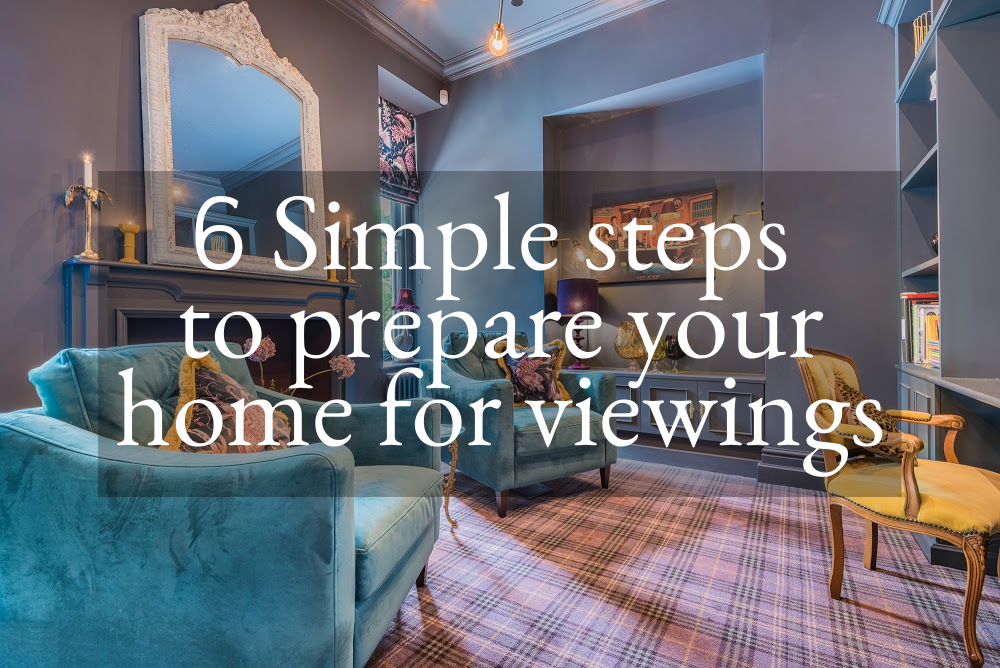
6 Simple steps to prepare your home for viewings

We know from experience that the better your home looks and feels when potential buyers come to view, the more likely you are to get an asking price offer.

For many people, the decision about whether to buy a home is an emotional one, and we’ve found that, more often than not, they make that decision very quickly. By the time buyers see your home in person, they already know the size, layout and location, and the photos have been enticing enough for them to book the viewing. So this step of the buying journey is mainly about them making sure that your home is as good in reality as it looks in the brochure, and that it feels like the right place for them to live.

Speak with your agent about how they can help.

You may already have your own thoughts about how your home should be presented for viewings, but it’s always worth speaking to your agent to get their input. We’re dealing with buyers and showing homes every day and can often suggest things that might not have occurred to you.

The best agents will have stylists on their team, who work together with a professional photographer to make sure that your home is shown in the most attractive light. Remember that these marketing photos are one of the key aspects that help to secure viewings, and that specific look is what your buyers will expect to see. So, while your home is listed for sale, the closer you can keep it looking to the images in your brochure, the better.

Nevertheless, no matter how neat and tidy you are, there are always those last-minute tweaks and little jobs that need doing before a viewing. So here’s our handy checklist of 6 simple steps to ensure your home is perfectly prepared to welcome what could be your dream buyer:

1. Make buyers feel great about your home before they even step through the front door

First impressions really do count, so think about how your home looks as buyers approach it. One thing that sellers often forget is to check how the ‘For Sale’ board looks – is it clean and straight? If there’s any damage, let your agent know right away and they can arrange for it to be replaced.

Try to ensure there’s somewhere for people to park their car, even if it means moving your own fifteen minutes before the viewing. Make sure the path to the front door is clear, the garden looks tidy and you have some welcoming potted plants at the entrance. Don’t forget the door itself – give it a wipe down, clean the handle and letterbox – and check that any outside lights are working properly.

2. Make the space shine

It’s really helpful if you can try to have the mindset that once your home is on the market, it’s no longer primarily ‘your’ home. You might have been used to leaving projects laid out across surfaces, having children’s toys and play equipment to hand and not worrying about keeping absolutely everything stored in its proper place. But buyers can often ask to view homes at quite short notice, so the cleaner and tidier you can keep each room, the less you’ll have to do at the last minute to get it ready for viewings.

If you can get used to living in a clutter-free way and manage to stay on top of the housework, then all you should need to do before potential buyers arrive is perhaps run the vacuum around and pop your teacup in the dishwasher!

3. Carry out a ‘fresh check’ on bathrooms

When it comes to bathrooms and toilets, your two watchwords are: ‘clean’ and ‘fresh’. As with the rest of your home, if you can make sure they sparkle on a daily basis, then you should only have three little things to do before a viewing:

  1. Drop some scented disinfectant in the toilet or spray a gentle air freshener
  2. Make sure the toilet lid is closed
  3. Put out fresh towels.

Tip: Keep a clean set of towels just for viewings, so that you can make a quick switch and then swap them back out once the viewing is over!

4. A little bit of styling can make all the difference

When you’re selling a home, you’re selling a lifestyle, so think about what little touches will help people feel good about the space and make them want to spend time there. Candles, flowers, high-end magazines and pretty soft furnishings work well in reception rooms and bedrooms, while a fruit bowl and some fresh herbs will add life to the kitchen.

Use your marketing photos as a reference, and try to keep all these styling accessories in your home so that they just need a quick ‘condition check’ before viewings.

5. Fresh baking really does work!

It may sound like a cliché, but the smell of home baking really does appeal to buyers. Our sense of smell has a strong association with memory and can be highly emotive, so some freshly baked bread or cake in the kitchen might evoke memories of a happy childhood, while a coconut scent in a reception room, bathroom or bedroom might remind people of being on holiday.

If you can fill your home with aromas that remind people of happy times in their lives, it will help them feel good about it – and they’ll be more likely to remember it in greater detail after they’ve left. Just remember that less is more, and if you’re going for a fragrance, make it subtle.

6. Pet patrol…

Your beloved pet might be regarded as a member of the family, but not everyone is going to be a fan and some people may be allergic. The ideal solution is to take your pet out of your home while the viewing is taking place, but if that’s not possible, try to keep it contained in one room, along with beds, litter trays, etc.

If relocating your pet is proving tricky, you could ask your agent to tell prospective buyers about it, then let you know if they have any concerns and you can discuss the best solution.


At Stonehouse Homes, our team is always here to help, so if you have any questions about viewings or would like some more advice on creating the best possible first impression on buyers, just call on 01772 252136 or email us on info@stonehousehomes.co.uk. We look forward to hearing from you!

Posted on

Turning browsers into buyers – make sure your online advert stands out

If you’ve ever searched online for a home yourself, you’ll know how many listings there are. The broader your search terms, the more results are going to come up, and then you start scrolling through…

So, what is it that makes you stop scrolling?

When you’re selling, how do you make sure your headline details stand out from the rest so that buyers click to find out more? Importantly, is the rest of your listing good enough to grab their interest and make them want to book a viewing?

The trick is getting the right balance of images and words: enough to whet people’s appetite so they’re keen to view, but not so much that they feel they’ve already seen everything your home’s got to offer. If you overdo the information, buyers could just put you on their shortlist and keep scrolling. Remember, the whole point of marketing is to get people through the door – so make them want more!

Photographs

Photographs are one of the most important features of your online advert. Around 90% of the information processed by our brains is visual, and we take it in tens of thousands of times quicker than text, so you really can’t overestimate the power of a great set of photos. Your main image should be your finest full shot of the front – and taking it at twilight with all the interior lights on can create a truly striking impression.

Then have between six and ten great photos of the inside and garden. You’ve got to show buyers the main rooms and some of the best features, leaving them excited about discovering the parts they haven’t seen.

Make sure your agent uses a professional photographer who can not only take the shots well, but also work with your agent’s team who are styling your home to create the best possible images. Interior shots look best taken on a bright day, so the photographer may need to make another visit to capture the all-important exterior twilight shots that will help ensure you have a great selection of images.

Buyers tend to connect with things that are both familiar and aspirational, so think about how different rooms look in glossy homes magazines and use that as a guide.

Here are some of the things you can do to get your home ready before the photographer and styling team arrive:

  1. Vacuum and dust
  2. Clean the windows and mirrors
  3. Empty all the bins and put away your half-used toiletries
  4. Tidy away any work, toys and kitchen clutter
  5. Have some new candles, plants and/or flowers in the main reception rooms
  6. Fill a fruit bowl for the kitchen
  7. Straighten/plump up soft furnishings and towels
  8. Take away rugs (plain floors make rooms look bigger)
  9. Make sure all the light bulbs work, and have some spares, just in case!
  10. Mow the lawn, prune the shrubs and flowers, and spruce up the garden furniture.

Then do your best to keep your home looking like that until it sells!

When your agent forwards the brochure for you to review, one thing to make a particular point of checking is whether the photographs flow ‘naturally’. Think about the route a viewing would take through your home and try to make sure the photographs follow that order, as far as possible. For example: the front exterior shot, then the hallway, followed by the living room, the kitchen, the staircase, the master bedroom, and so on. If the order makes sense, it will be easier for the buyer to visualise your home and may help create a stronger first impression.

The written details

Your headline and summary paragraph need to say what your home is, show where it’s located and make its best features shine in a way that entices potential buyers to look for more details. So, if your home is ideal for a family, highlight things like a fabulous open dining kitchen, games room, large garden and proximity to schools.

Then the bullet points should be between six and ten things that ‘snapshot’ the biggest selling features of your home. You’re trying to give buyers reasons to book a viewing, so make sure each point is a real benefit, for example:

  • Unobstructed views across open countryside
  • Master suite with private, south-facing balcony
  • 24’ modern dining kitchen with Miele appliances and Rangemaster cooker
  • Versatile, open-plan reception space
  • Soundproofed home office with separate entrance.

Once people have seen the bullet points and been dazzled by your photographs, chances are they’re pretty much decided on whether to view. So, although they may want a little more information, they won’t want to have to scroll through reams of paragraphs describing every last detail.

The best approach is to have a short and sweet description of each room – the size and key fittings that will be included in the sale – and then any other particular features, like an incredible view, unique architectural detail or tech feature. At this stage, buyers really don’t need to know how many sockets or window locks there are; you’re just trying to get them interested enough to book a viewing, so stay focused on the key selling points.

Floor plans & PDF brochure

Floor plans really help buyers put room sizes into perspective and see whether the layout could work for them. They’re more-or-less standard these days, so make sure your listing has one.

Once you’re happy it’s correct, there are three things to check:

  1. There’s a compass rose so buyers can easily see which rooms and areas of the garden face south
  2. The total square footage is stated – that helps buyers compare homes to see how much space they’re getting for their money
  3. The image opens at a decent size online.

A digital version of your full brochure should also be available as a downloadable PDF that buyers can save and print out. Although the agent may provide a hard copy at the viewing, many people like to check the brochure in advance to see if there are any photos or other information they might have missed – and it’s also useful for them to make notes on.

You’ve grabbed their attention – what next?

If you’ve ticked off everything so far, you should have buyers who are really keen to view. You’re halfway there. Now this is where the personal and professional skills of your agent come into play, to turn enquirers into buyers.

The buyer calls your agent

Some people know for sure that they want to view and they’re just calling to arrange the appointment. Other people have questions, and this is where an enthusiastic agent who’s familiar with your home can really help increase the buyer’s interest and firm up a viewing. So, check with your agent to make sure every member of staff has viewed your home and been briefed on any other relevant information, like whether you’ve found an onward purchase.

Whoever’s handling the enquiry should also qualify the person viewing, checking how they’re going to be funding their purchase and whether they have a home to sell. If you’ve found a new place you’ve fallen in love with and the person who wants to view hasn’t even put their own home on the market yet, there might not be much point booking an appointment. On the other hand, if they’re a cash buyer or they’ve sold and their buyer is desperate to proceed, they could be the perfect fit!

The buyer views your home

We’d suggest it’s always better to let your agent carry out accompanied viewings. Our experience means we know what information to give and how to sell the best features of your home; also, importantly, when the owner’s not there, buyers tend to feel more relaxed and talk more freely. That means we can usually get good feedback there and then and possibly even start negotiations on the spot.

Turning an offer into a sale

When a buyer really loves a home – and if your agent has done their job selling it! – they’ll often make an offer even after just one viewing. Your agent then has to negotiate the best possible price on your behalf, keeping you informed of every offer.

If your online listing is up to scratch and you’ve got your home looking its best, you should have plenty of interest. And if necessary, your agent can use feedback from viewings to make tweaks to your marketing along the way to ensure you’re appealing to as many buyers as possible. (See our recent blog, ‘What to do when your home isn’t selling’.)

Whether you’re already on the market or just thinking of selling, you can call us at any time for advice or to arrange a valuation – we’d love to hear from you! Call on 01772 252136 or email info@stonehousehomes.co.uk , and one of our team will get right back to you.

Posted on

What to do when your home isn’t selling – 8 steps to boost your marketing

You did it: you found an agent you liked, who loved your home and valued it at a price you were happy with. They put together an impressive marketing plan and the ‘For Sale’ board has been invitingly positioned at the end of the drive for a while. It seems like you’ve done everything right, so why hasn’t your home sold yet?

Well, it could be a few different things. Some people believe it comes down to the price – and often that is a reason – but it’s not the only possibility.

So how do you find out what’s stopping your home from selling, and what can you do to kick-start some real interest?

  1. Check out the competition

Before you speak to your estate agent, it’s a good idea to gather some information about what’s going on around you. Have a search online for homes in the area similar to yours and see how they compare. What’s the presentation like and have they had to reduce their price? That should give you an idea of whether your marketing is along the right lines.


  1. Call your agent

Have an honest conversation about your concerns. Ask your agent why they think your home’s not selling and what can be done to get things moving in the right direction.


  1. Find out what people think of your home

Although the expertise of a good agent is invaluable, there’s also nothing quite like a bit of honest feedback. If your agent is on the ball, they should be asking everyone who views your home what they thought about it, then calling you to discuss whether any changes might need to be made to the marketing.

If viewers thought the price was too high, what was the reason? If they thought there was a bit too much work to do, is there something you could fix or improve yourself for very little cost? In short, is there anything you can do to address the feedback that will make your home more attractive to buyers so they start making offers?

  1. Could you improve the presentation?

Have another look at your home with a critical eye and ask yourself if it’s really looking its best. Your agent might already have offered their advice on how to style and present it for viewings, but maybe you could ask a friend to ‘view’ and give you their honest opinion about any positive changes you could make.

One important thing to think about is: do all the rooms make sense for a buyer? You might have a conservatory that’s become a toy store for your family, but when you’re trying to sell, you’ve got to make every bit of space appear as valuable as possible. So, put away the toys and show the real potential of your conservatory. You could style it as:

  • a sunroom, somewhere perfect for curling up with a book
  • a dining room that makes mealtimes a bit more special
  • even a second sitting room, to give parents and children their own spaces.

Likewise, if you have a small bedroom that you use as a walk-in wardrobe, pack away your clothes and stage it as a single room so that buyers can see exactly what value they’re getting for their money.

While the inside might be sparkling, you’ve got to make sure the outside always creates a great first impression so that buyers feel good about your home before they even walk through the door. Some people do a drive-by before booking an appointment to view inside, so keep on top of your home’s ‘kerb appeal’. Make sure the lawn, shrubs and plants are tidy; sweep the drive and path; give the front door a weekly wipe-down – and don’t forget your ‘For Sale’ board. Check it’s straight and clean, and report any damage to your agent so they can have it replaced.


  1. Refresh your marketing

Are the photos your agent took really showing your home in the best light? Do they grab your attention or could they be improved? Even if they’re already perfect, if your home’s been on the market for a couple of months and the seasons have changed, buyers will be able to see that your exterior shots were taken some time ago.

Having new photos taken is an easy and effective way to reinvigorate your marketing. Go for a bright, sunny day and get the front shot from a few different angles so you’ve got options for changing the leading image online every now and then. Ask your agent if they can film an up-to-date video tour, and check whether they’re using the best apps and software.

It’s also a good idea to update the copy in your advertising, particularly the headline, and make sure your home’s best qualities really stand out.


  1. Drop the price

To get the best possible price for your home, try all the above before you look at a reduction. Have viewers said it’s too expensive, or are other similar homes also having to drop their prices because there’s an oversupply at the moment? If you do decide to go for a reduction, make it worthwhile. As a general rule, if a home was going to sell within 5% of its current price, someone would have made an offer already, so bring it down to a level that’s genuinely going to get more buyers interested.


  1. Take a break from the market

If you don’t desperately need to sell, taking your home off the market for a little while can be quite effective, particularly if you come back with a new price, new photos and perhaps a new agent. Certain times of the year are quieter than others, and a good agent will know about seasonal and current trends and be able to recommend the best time to come back onto the market.

Taking a break doesn’t have to mean your home’s not for sale, just that it’s not actively advertised. Your agent can keep the details ‘under the table’ and still give them to people they think might be interested, so you don’t miss out on your perfect buyer.


  1. Switch agents

Sometimes an agent just isn’t the right one for you and your home. Perhaps they were enthusiastic at first, but now they don’t seem that motivated and you suspect they may have been over-confident with the price. Maybe they’re trying their best, but don’t have the right marketing skills. Or it could be that they’re simply not communicating with you.

Bottom line, it could be time for a fresh start with a new agent.

The relationship between an agent and their client is important – this is a significant transaction and you’re going to be working together to achieve the best possible sale. So, as well as making sure the agent you choose has a track record of selling homes like yours and a clear marketing plan, pick someone you really like. If they’re enthusiastic and positive about your home, they’ll pass that on to potential buyers and you’ll have the best chance of a successful viewing.


If you’re ready to move on to a new home and need a marketing boost to help sell your current one, call us on 01772 252136 or email info@stonehousehomes.co.uk and we’ll happily talk through what we think could make a real difference. No matter what the challenge is, there’s always an answer!

Posted on

Unique homes – how we value them accurately

As estate agents, valuing homes accurately is at the core of our business. We’ve got to price them at a level that attracts enough attention from buyers, while achieving the maximum sale price for our clients, and sometimes it’s a challenge – particularly when there’s not much to compare them to.

We value homes based on a combination of factors. We look at recent data, consider what we know about current market conditions, sprinkle in price per square foot, then use our expertise to judge how popular your particular home is likely to be with buyers.

While it’s relatively straightforward to value a home if a lot of similar ones exist, it can be much harder to put a price on a unique home. Deciding how much a particular view or architectural style is worth in a certain location is not an exact science, which is why it’s especially important to choose the right estate agent when your home is one of a kind.


Let’s look in a bit more detail at how we arrive at a market value:

Data on comparable homes

The first thing we need to know is the value of other homes that compare to yours – ones of a similar size, in a similar location, with similar features. While there are usually plenty of direct comparables for homes on estates or Victorian terraces, the challenge with unique homes, where there might be very little else like them, is getting as close as possible. The more unique the home, the greater the challenge!

We look at two types of data:

  • Sold prices: How much have comparable homes sold for in the last 3–6 months? If there aren’t many of them, we sometimes have to look back further in time, then calculate a likely current value based on average price increases. Sold price data from the Land Registry is the main source for surveyors when they make their reports for mortgage lenders, so it carries significant weight.
  • Current market prices. We look at similar homes for sale and consider:
  1. How long have they been on the market?
  2. What’s the current asking price?
  3. Has the price been reduced?

Generally speaking, we expect to agree a sale at within 5% of the asking price, but the longer a home is on the market, the less likely it is to achieve this.

Together, these two sources give us a ballpark price guide.

You might be wondering about online instant valuation tools, like the one we have on our site http://bit.ly/Stonehousevaluation , which use this kind of data to come up with a current price for your home. They’re becoming increasingly popular and can be useful if lots of similar homes have sold recently. But when it comes to unique homes, we find the results are often quite different to in-person valuations. There might only have been a handful of properties sold recently in the area that are even close to yours in size and style, and it’s almost impossible for a piece of technology to put an accurate value on a view or a one-off architectural feature. Data is certainly helpful in giving us a guide, but it’s by no means the whole story when it comes to unique homes!

One important thing for us to bear in mind is the ‘ceiling’ – the top price that comparable homes have sold for. If we value your home at more than this, there’s always a risk it might be too expensive, and when buyers think a home is overpriced, it tends to put them off. However, unique homes can often break through the ceiling and attract a higher selling price, simply because there’s nothing else like them.


Price per square foot

Not a commonly used valuation tool, but an invaluable one. It doesn’t take into account all the amazing amenities, like a stunning view, or even some disadvantages like a footpath right through a garden. Still, some buyers like seeing exactly how much they’re getting for their money.

Anything attached to the main home is included in the total price per square foot; however, most detached buildings aren’t, unless it’s an additional dwelling – a holiday home for example.

Price per square foot is different for each area. It provides a good general overview of what a home is worth. At least on paper.


Current market conditions

Prices depend on supply and demand. When there are fewer homes on the market, prices tend to go up as there’s plenty of competition from potential buyers. The best homes can often attract a ‘bidding war’ and end up selling for over the asking price. On the other hand, if there are fewer people looking to buy when more people want to sell, prices tend to fall. That’s because buyers have a good amount of choice and will be more tempted to try and get a bargain by making an offer below the asking price.

So, in order to put the right market value on your home, we need to know how many buyers out there are looking for a home like yours. Are similar homes selling quickly or is there an oversupply right now?

While unique homes are usually less affected by rises and falls in the market, it’s still important for us to know what’s happening, as it gives us a feel for how positive we can be with our valuation.


Our expertise

Taking all the above into account, we then have to judge how attractive your home is likely to be to buyers. We’ve got to look at the outstanding features and decide how valuable they are, then balance that with what we know about how much potential buyers are willing and able to pay. There might be lots of things that set your home apart, but would someone be willing to pay more for it than for its closest competitor, and how much more? This is where our experience really matters.

A lot comes down to how rare the features are, particularly when you’ve got a combination of them. For instance, if you have a beautifully refurbished Grade 1 listed home in a waterfront location, how many other homes like that are there in the area – more importantly, how often do they come up for sale? When a buyer knows that if they miss out on your home, they might not get another chance to buy something similar for another five or ten years, they’re usually willing to pay a premium. And it’s our job to know how much that premium is.

The final thing we need to consider is your own position. How quickly do you want or need to sell? If you’re not in a rush to find a buyer, we might think it’s worth being optimistic with the price, then we can always adjust it if needed. On the other hand, if you’d like to sell as quickly as possible, we’ll recommend a price that we’re sure will immediately catch your target buyers’ attention.

So, if you’ve got a unique home, choose an experienced local agent who’s got a track record of successfully selling one-off homes. Search online to see what’s sold locally in the past couple of months and take note of which agents have handled the more individual sales. They’re the ones who should be able to see the true value of your home, properly judge its market potential and then help you achieve the best possible sale.

If you’re ready to move or are currently on the market and haven’t yet had the response you’d hoped for, give us a call on 01772 252136 or email info@stonehousehomes.co.uk. We’ll be happy to chat through our tailored marketing approach for unique homes and, if you’d like to talk in more detail or have a valuation, we can arrange for someone from our team to visit you at home.

Posted on

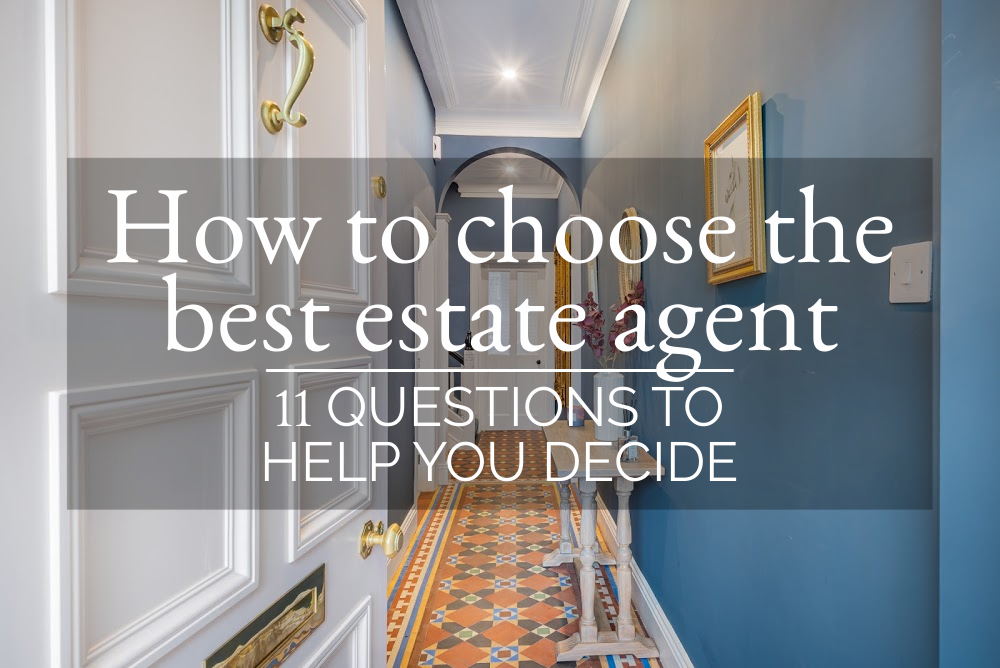
How to choose the best estate agent – 11 questions to help you decide

Selling your home is one of the biggest financial transactions you’re ever likely to make, and it could be an emotional time for you. So you need to be sure that the agent you choose can not only get you the right buyer and the best price, but also understand your situation and be able to guide you confidently through the process.

Perhaps you’re selling the family home where you’ve raised your children, and you’re now ready to downsize. It could be that you’ve outgrown your first home, and it’s time to take the next exciting step up the ladder. Or maybe it’s a buy to let or inherited home that you simply don’t want or need to keep.

Whatever your reason for deciding to sell, lots of agents will be keen to get your business. And with so many out there – local and national, high street and online – all with different strengths and core markets, how do you know which is going to be the best fit for you and your home?

Well, it’s not an exact science, but if you’re clear on your own plans, know the key things to look for and ask the right questions, you should be able to narrow it down to a top two or three.

And with that, here are our 11 questions to help you decide.

Before you speak to an agent:

  1. What are your plans? This is often how estate agents will start a discussion, so make sure you’re clear on why you’re selling and what kind of timescale you’re working towards. If you’re going to be buying something else, write a list of your needs and wants. The agents you speak to about selling will also be keen to show you what great homes they have on their books, and you’ll get a feel for how they deal with prospective buyers.

Checking out agents online:


  1. How good is their website? Is it professional looking, can you navigate it easily and has it got all the main information you want to know? Are you impressed by the look of their listings?


  1. Are they a member of a professional body? Agents who are members are bound to work at the highest professional standards and adhere to a strict code of conduct. This isn’t to say that agents who aren’t a member don’t work to the same level, it’s just good to know and allows you to make an informed decision – it’s always good to get the full picture before you make your choice.


  1. Are their homes listed on the best portals? There are plenty of sales websites out there which have a far wider reach than an agents site alone. The more popular sites an agent lists your home on, the more prospective buyers will be reached. There are several popular portals agents can use, ask them which ones they use, and why.


  1. Have they got homes for sale that are similar to yours? You might think having competition is a disadvantage, but actually it can be a good sign that the agent is used to marketing your type of home to the right kind of buyer.

When the agent comes to your home for a valuation / when you speak to them directly:


  1. What’s the market like at the moment? This gives you an idea of how many viewings you’re likely to have and how long it might take to sell. You’ll also get a feel for how knowledgeable the agent is.


  1. What similar homes have you sold recently? That will confirm to you what kind of sale price is possible. And if the agent has sold several properties like yours in the last month or so, that shows the market is buoyant and they’re doing a pretty good job.


  1. How much would you market our home for? You’ll probably already have your own idea from looking online, so compare that with what the agent says, and see how confident they are when they give you their valuation. They’ll usually state a range and then recommend an initial market price based on your own timescale and situation. If that’s different to what you thought, don’t be afraid to ask more questions and discuss it further.

  1. Do you have any potential buyers in mind? Of course they’re going to say yes! So follow it up by asking what those buyers have looked at recently and what their feedback has been. That will show you how engaged the agent is with buyers and how good they are at communicating.


  1. What are your fees? Most agents do an all-in fee, but some will charge extra for things like glossy brochures, so make sure you’re clear on all the costs. And remember that a good agent will give you value for money, so don’t be tempted to go for the cheapest – you tend to get what you pay for!


  1. What happens if I’m not happy with your service? As long as you’ve chosen your agent carefully, you shouldn’t have any real issues, but it’s always a good idea to check:
  • What’s the minimum contract period, and how much notice do you need to give?
  • If you find a buyer yourself, do you still have to pay the agent a fee?
  • Who’s the right person to speak to if there’s a problem?

Once you’ve found two or three agents that you’re sure can do the job, based on all the above, it’s time to turn to bonus question 12: Which agent feels right?

When you’ve got queries, which of them are you most confident will be there with the answer? Putting it simply, who do you like best? Due diligence plus gut feeling is a tried and tested formula that works for so much in life, and in this case, it should give you the best selling partner and a successful sale.

If you’d like to talk through your selling plans with us, we’d love to help. Call us on 01772 252 136 or email at info@stonehousehomes.co.uk and one of the team will get back to you shortly.

Posted on

Our top home styling accessories for 2021

It’s a new year – time to give your home a whole new look? If you’re selling your home, or planning to, our top home styling accessories for 2021 may help you make the right decisions to give your home a mini-makeover without breaking the bank.

And, now that the majority of us are ‘locked down’, you may have more time than usual to get new home accessories ordered online, even taking advantage of the New Year sale prices (if you’re quick!).

Home styling accessories can make even the most stale and tired rooms look new and on-trend again, so let’s dive into our seven top styling tips which won’t break the bank:

  1. Rugs

A large rug can transform a room, adding warmth and accentuating the room’s style. Rug trends in 2021 take a vintage turn. A simple flat pile with neutral tones echoing the room is on trend rather than thicker pile or geometric print. Avoid Persian inspirations unless you live in Downton Abbey.

You don’t have to spend a fortune either; decide on a budget and stick to it. You should be able to get a large rug, say 8’ x 4’, for under £150 if you shop around.


  1. Cushions

Cushions are a really easy way to provide an instant update to a room whilst adding colour, texture and interest. Again, the trends point towards a simple style: stay away from geometric prints and pictures.

2021 has an altogether cleaner look for accessories.


  1. Flowers

The finishing touch for viewings, adding scent and a sense of homeliness. Make sure arrangements are in keeping with the overall style of the house and the room.

If in doubt, keep the colours pale and the style simple with a vintage, minimal or Scandi twist.


  1. Toiletries

Toiletries for photos and viewings should be modern, elegant and the best you can find. Keep them eco-friendly and high-end – Acure, Tropic and Mu London are great options. Similarly, small, independent brands which are local to you are a nice touch.

Remember, keep these for viewings only – hide them after each one to keep them in pristine condition.


  1. Bedding

New bedding for all rooms, especially the master bedroom, is a great way to show off each space to the best of its advantage. Environmentally-friendly fabrics with natural tones are growing in popularity – keep a look out for a brand with an eco-friendly ethos.

Don’t forget vintage accents either – another key trend for styling a bedroom.

Two cushions and a throw on a bed will add that elegant touch of style without overcomplication.


  1. Towels

Buy some new ones and make sure no one uses them – they’re just for show! Pop them away with the toiletries after each viewing to keep them crisp and fresh.

White or neutral shades are best, a staple style for a bathroom. They should be in keeping with the bathroom itself to ensure it looks simple and clean.

  1. Mirrors

Mirrors have a real Scandi feel to them in 2021, alongside other wall hangings like art. Mirrors especially add a feeling of coordination and harmony to a room, along with reflecting light, making rooms feel more spacious.

On top of these trends, there are three bonus points which our experience has taught us to constantly keep in mind when styling a home – Things that never go out of style.

Things which, whatever the trends for the year are, should always be in focus:

  1. Keep things clean and clear

We’ve noticed that buyers prefer a clean palette of neutral tones. This gives them more opportunities to let their imaginations run wild with ideas for their new dream home.

  1. Create an atmosphere to aspire to

The more you show the incredible lifestyle your home offers, the more prospective buyers see themselves living there – whether that’s done by leaving a large glass bowl full of vibrant fruit in the kitchen, an elegant vase of delightful flowers in the hallway or a delectable cake which might tempt them to stay a bit longer for another slice.

Some relaxing, ambient music playing in the background and a cosy room lit by the soft glow of a lamp in the corner also adds a feeling of wonder to a viewing.

  1. Keep a critical eye 

Remember to look at each room with an objective viewpoint; remove or replace accessories that don’t add to the aesthetic of the area.

First impressions are everything.

We also recommend staying up-to-date on constantly evolving home styling trends. Try these high street and online retailers; their prices won’t break the bank either:

  • Next – An excellent range of bang-on-trend soft furnishings and home accessories at value-for-money prices.
  • Wayfair – Furnishings for every budget; they have a ‘shop the look’ feature allowing you to pull together items that match before buying.|
  • Tu by Sainsbury’s – Brilliant if you’re on a budget. There are several ranges offering affordable updates for every room in the house.
  • eBay – A fantastic resource for homewares, both new and pre-loved. Great for your budget and your carbon footprint


There you go! Our top trends and home styling tips for 2021. Which will you be giving a go? You can even go one further and research some more if you’ve got a little spare time during lockdown.

Get in touch today by 01772 252 136 or info@stonehousehomes.co.uk and we can provide you with specialist, expert advice to support you through your specific set of circumstances.

Posted on

Planning to downsize? Start your new chapter in your next home

Are you starting to feel like you’re rattling around in a house that’s too big for you?

Are you ready to put less time, effort and money into somewhere new?

Have you got your heart set on being closer to family (or further away)? Have you always dreamed of that coastal hideaway or a chocolate box cottage in the countryside?

Now is the time to move on to the next chapter in your life.

When it’s time to start thinking about making changes to your lifestyle, your home may well be your most valuable asset. It is vital that you realise its financial potential.

Now is the time to downsize.

We think downsizing is actually a step forward, a really positive move. A move full of options and opportunity.

This blog is all about what it really means to downsize, and how we can work out the practicalities needed to make this next chapter get off to the smoothest of starts.

So how do we know? How do we realise the time is right?

Moving into a smaller home is not a decision most people take lightly. We may want to ask ourselves some questions before making the final decision to sell and move on. Our experience of helping thousands of homeowners to move has led us to create a checklist to provide some clarity. We often talk about downsizing as the next chapter, so let’s think of it like writing a novel…

The plot

Sometimes, when we least expect it, or maybe when we most expect it, the way we feel about our home starts to change. We can embrace the opportunity in front of us and make some positive changes, moving forward and making thoughts and dreams a reality. This is where the research comes in. It is really important to have a plan.

Plan your finances to determine the price you need and want from your sale and decide on a date to put your home on the market. Planning out the implications of your move in detail is vital to seeing the full picture. Downsizing often releases equity, and having a plan for your pennies will give you a goal to reach for.

Make a wish list and a deal-breaker list for your next home, and start to look around. See what’s out there, and find out what you really like – what would you love to have in your new home now the practicalities have changed? Having your next home in mind will keep you motivated.

Arrange consultations with three estate agents and then choose the one you would like to work with. Choosing the right estate agent is the difference between selling at the price you really want and your home sitting on the market for months. Your agent needs to have the right attitude when it comes to selling your home, a high level of accountability and exceptional marketing techniques.

The beginning

So now we have the plot and the characters; it’s time to begin…

Go through your home, and make a list of any outstanding jobs. It’s time to get them done. If your home has a more dated décor, it may be prudent to make some changes to avoid those low offers that are based on your home being too dated for some buyers.

Make a list of any accessories to buy to dress your home for photography. Today, for your home to capture a buyer’s attention online, it needs to stand out. From croissants and flowers in the kitchen, to fluffy towels and luxury toiletries in the bathroom, to candles and coffee table books in the living rooms – it all adds to the ‘wow’ factor for prospective buyers.

Work with your agent and photographer to take and then approve the images for use in your marketing. Communication is key. Sign off the brochure once you’re happy with it, and the plot can develop.

The middle

Once your home is on the market, it’s time to get the story moving.

Keep your home looking its best for every viewing. Buyers like to see things clean and clear. Clear surfaces and floor spaces, and clean everything until it sparkles. Light and reflected shine are the best ways to show off the size of your rooms to their full advantage.

Contact removal companies for quotes. It can be really worthwhile getting your ducks in a row for moving. There will be a lot to sort, many years of memories (and junk!) to go through and lots to take on your journey with you. Decide on a company and what services you need – a good removal firm will advise you and help you decide what is right for your move.

The conclusion

The time has arrived! The crescendo of the piece! The height of the drama – if there’s going to be a plot twist, it will be now. But let’s keep to the narrative and think about those moving days.

Pack as much as you can the night before, and have a survival box full of essentials for your last night and morning. Keep this box for your first night and morning, to keep things as  simple and easy as possible.

Make arrangements for child and pet care as necessary. Moving day is not the time or place for animals or small children, so keep them all safe and happy whilst you get things set for them in their new home.

Make plans for that first night – will you go out, get a takeaway or have ready meals in for dinner? Make the beds as soon as you can so you can relax later, and have that special bottle of wine ready to celebrate your new home with!

So, there you have it. Our top tips to help your move to the next chapter. Downsizing means having the opportunity to enjoy more of what makes you feel happy, comfortable and fulfilled.

With downsizing comes choice, time, money and a sense of well being, and that sounds just the ticket, don’t you think?

Call us on tel:01772252136 or email us at info@stonehousehomes.co.uk to find out how our specialist agents can help you start your new chapter!

Posted on

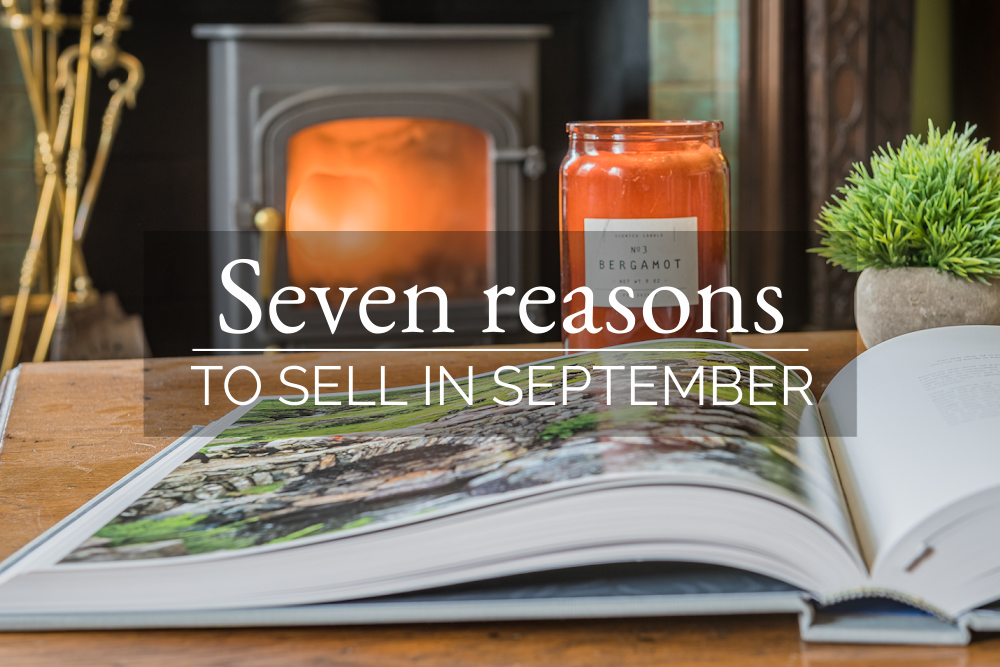
Seven reasons to sell in September

In the blink of an eye, the trees are dappled in burnished reds and golds. That first waft of coal fire smoke garnishes the dusky sky. Dust off your autumn boots and dig out your gloves…September is here.

Summer brought with it the UK’s busiest month of house sales in a decade. Everyone agrees, the housing market is booming.

So, alongside crisp misty mornings and crackling log fires, what delights does autumn hold for sellers?

Over the last few weeks, we’ve taken calls from family buyers looking for larger homes. These guys like to buy in autumn, spring and early summer. If these times ring a bell (the school bell) that’s because they are term times!

We find that buyers with children tend not to house hunt during the school holidays. After all, when the sun is shining, ice creams at the seaside and outdoor escapades with the family beckon, leaving little time for viewing homes.

It’s also worth remembering how stressful viewing a home can be, with children who just want to be outside.

Instead, parents tend to wait until the children return to school, so they can view homes in peace. But there is more to it than convenience alone; psychology of space can come into play too.

As the days stretch out and it’s light until late in the evening, kids often spend much more time outdoors. Whilst their children are busy playing in the garden until the last glimmers of sunset fade, it’s easy for parents to feel their home is bigger than it is.

As a result, ‘upsizers’ tend not to feel as squeezed for space in the warmer months. After all, with the children outdoors, the house seems so much bigger. With more room to stretch out, a house move may not feel as urgent.

But as the nights begin to draw in, the house begins to feel crowded, meaning parents once again are looking for a change and a larger home in which to grow.

House hunters searching in September and October tend to be keener to make an early decision. After all, everybody wants to settle in ready to start enjoying their new home in time for Christmas. In fact, ‘a quiet and settled Christmas’ can be a real driving factor. Buyers are more motivated than ever to get the deal done.

With that in mind, let’s explore the top seven reasons why selling in September might be the best option for you:

1. New school year = new start

The schools have gone back. At long last. For parents, it feels like a new year and a fresh slate. With the children no longer cluttering the decks, they can see things with clarity. They can also take steps to move on. School bags strewn in the hallway and cluttered desks in the evening add more impetus. New school year = new start. Where better for a new start than in a new home?

2. Festive incentives

Ordinarily, buyers looking at property in September are keen to get moving. With Christmas on their minds, they want to have contracts signed and house moves completed well in advance of the festive season.

Adding to the festivities this year are the tax duty slashes from chancellor Rishi Sunak. Will the removal of stamp duty levies on properties below £500k light a fire within would-be buyers?

With plans for a pre-Christmas move supplemented by big savings, this excitement will no doubt drive them on.

3. An empty home is a clean home

Does the prospect of keeping a home clean and tidy for viewings fill you with fear?

If you have a family, having the children out of the house and at school during the day is a big bonus.

An empty home is so much easier to keep tidy. This means you can prepare for viewings without the worry of your hard work being undone at every turn. No more painting of the Forth Bridge!

4. Cosy September marketing

In September, your home is looking at its most warm and cosy, with lamps lit and the fire on. Never has it looked more welcoming and inviting.

Capitalise on the misty evenings and create a haven of comfort and cheer for house-hunters. A ‘twilight’ image during this season can showcase your home at its toasty best.

September weather may leave you feeling cold on the outside, but your home will be enticingly warm on the inside.

5. Size matters in September

With the colder weather and darker evenings, homeowners often retreat inside. A home that seemed spacious in the summer months suddenly feels much smaller.

Children who fled to the garden and local parks to meet friends in the summer are now flocking home. Sometimes with their friends in tow.

All these ingredients provide motivation to move on and seek out a bigger house.

6. Freedom to view at leisure

Not only is your home child-free in September – so are you! Harried parents trying to balance entertaining children with house-hunting are finally free. Free to focus on that essential task of moving home.

Now the schools have gone back, mums and dads are free to view homes child-free.

Free of distractions, questions and demands, parents are more relaxed. No need to rush through a viewing in a hurry, you are now free to view in a better frame of mind. Take the time you need to make a decision.

7. September’s garden glory

Although you might not realise it, September is a great month for the garden.

No longer scorched by the summer sun, the grass is looking lush and green. Shrubs are beginning to display an autumn glow … your garden still looks lovely.

Even when the leaves start to drop, this can be a bonus, with views often improving. As well as the low sun providing a great backdrop for twilight photo shoots, it can also bathe the house in a lovely glow for early evening viewings.

As you can see, September can be a wonderfully successful time to sell your home! But following the summer surge in home sales, will autumn sales follow suit?

Rishi Sunak seems to think so; the Chancellor’s recent cuts to Stamp Duty now extend until March 2021 and with the Stamp Duty threshold raised to £500,000, less than 10% of buyers will have to pay any Stamp Duty at all.

If you would like to know whether your home would be a good contender for a September sale, we’d love to hear from you – call us for a chat on 01772 252136, or send us an email at karen@stonehousehomes.co.uk. Whatever your plans, chatting them through in full confidence can help. We’d be proud to be part of your moving journey.