Posted on

Successful downsizing – our step-by-step-guide

Successful downsizing – our-step-by-step guide

Downsize your home successfully with our step-by-step guide.

Are you thinking about downsizing – perhaps moving to a smaller home or apartment? Downsizing comes with many benefits, from less upkeep and lower energy bills and maintenance to a lower initial investment.

If you’ve lived in big homes for the last decade, perhaps entertaining guests or housing a large family, there are many reasons for downsizing. Most likely, you just don’t need all the space anymore – you’ve got too many bedrooms and only so much time to clean throughout the day. Or maybe you’re moving to a city, where properties are more expensive, so you’re selling up and starting a new chapter.

Whatever your reason, downsizing can be exciting. It’s a new opportunity, a new space – and you might even be living in an entirely new neighbourhood.

So, this blog post will provide you with our step-by-step guide on how to downsize successfully.


When is the best time to downsize?

Before downsizing, you may ask yourself the following question: is now really the best time?

This is a common objection many people have before downsizing. But if you’ve already thought about it, then chances are, it’s almost time to pack up your things and search for somewhere a little smaller.

Popular times for many people to downsize include retirement, when maintenance of a property becomes more of a burden, and when you’ve got more space than you know what to do with (for example, your children have now moved out and you no longer need the space that was once necessary).

Downsizing your home means downsizing your possessions

There’s nothing quite as therapeutic as decluttering – if you’re downsizing your home, you’ll naturally want to reduce your total number of possessions.

That means opening up the cupboards and sorting through your belongings.

But it doesn’t end there – you’ll also want to decide what furniture you wish to keep and what you intend to either give away or auction.

As a general rule of thumb, it’s best to tackle the bigger items first. For example, this could include selling the larger items of furniture from your spare rooms, then working your way to the smaller items.

Downsizing unneeded rooms first allows you to displace more stuff easily. You’ll also begin to see how much stuff you actually need and what’s extra. And what’s more, you can still use your everyday items in the meantime – they won’t be packed in a box.

Implement a downsizing system

To make the process of downsizing your home easier, we suggest implementing a system.

For starters, we recommend using the one-year rule. If you haven’t used an item in one year, then chances are you no longer need it.

And for the belongings you no longer need, you have four options: give them away, auction them, give them to charity or bin them.

Often, family members, friends and relatives may feel disinclined to accept your possessions. But it’s always worth asking beforehand! Anyways, more likely than not, you’ll be auctioning them off or giving them to charity.

Consider your new lifestyle when downsizing

You’re downsizing your home for a reason, so you should consider your new lifestyle when reducing your possessions.

For example, if moving from a four-bedroom home to an apartment, you may no longer need a lawnmower or other gardening equipment.

Be sensible and only keep what you need, and the downsizing process becomes a lot easier.

Begin downsizing before you move home, not after

We know how difficult it can be to let go of possessions. But we’d suggest downsizing before you move home, not after.

Not only will you avoid removal costs (or back-and-forth trips), but it allows you to be more realistic about what you need.

You’ll also get to spend the first few nights in your new home more relaxed, not piled up full of boxes, fighting when moving between rooms.

Once you’ve decided you’re downsizing, this is the time to begin reducing your possessions.

It may take you a while to find a new home, so the sooner you start, the easier it will be. You’ll also have plenty of time to plan that leaving party!

Is this your last move?

Another important thing to consider is whether or not this is your last potential move.

If so, you’ll need to plan ahead. What do you really need, and what can you give away or dispose of?

We’re not saying you should throw away memorabilia and family photographs, but there are definitely things you no longer need that you can get rid of to free up more space.

Be realistic about what to keep and what to get rid of.

Avoid renting a storage unit

Renting a storage unit or garage seems like a good idea in theory, but these costs can quickly add up.

The main problem with storage units is that they encourage you to keep possessions and furniture that you don’t actually need.

What usually happens is that you place items in storage, only to get rid of them months later. Or, you may hold on to them for longer, paying storage unit fees for belongings you no longer use.

For these reasons, we highly suggest downsizing as much as possible before moving home, avoiding a storage unit if at all possible.

Make the downsizing process stress-free

Downsizing your home is a big step – but it can be liberating and enjoyable, and provides a change of scenery and lifestyle.

If you want to downsize your home but don’t know where to begin, or are struggling to find a new home to move into, then give us a call on 01772 252136 or email us at info@stonehousehomes.co.uk we’ll help you find your next home.

Posted on

How saleable is your home? Take our saleability quiz and find out!

There’s a sense of security that comes with knowing how saleable your home is – whether you plan on jetting off and buying in Marbella or you just fancy a change, getting your home on the market and sold can prove quite the challenge.

And with the recent dip in the average price of UK property of 1.3% as of August 2022, as reported by Rightmove, you may be wondering just how much you could get for your home.

But first, let’s address the elephant in the room: house prices.

Current house prices are in line with summer price trends over the last decade – the recent dip in value is completely normal, and there is absolutely no need to worry.

Besides, the rest of the year looks promising – as we all settle back down and pack up the deck chairs and garden furniture, house prices are expected to rise again before the end of the year.

But with that out of the way, the remainder of this article will discuss more on saleability – specifically, key things you should look out for, alongside our saleability quiz to help you determine just how saleable your home is. Exciting, right?

How saleable is your home?

Before we get around to the saleability quiz, let’s discuss the factors that determine whether your home is ready for the market.

All homes are saleable, but to get the best price for your four walls and pride and joy, you may wish to consider the following factors:

  • What is the neighbourhood like?
  • Where is your home based?
  • How big is your home?
  • What condition is your home in?

Keep reading to find out how each factor affects saleability – these aren’t the be-all and end-all (so don’t panic), but they are definitely worth considering.

What is the neighbourhood like?

It’s no secret that homes in nicer neighbourhoods typically sell for more.

People pay more for increased security, peace of mind, better schools, local amenities, and so forth. And who can blame them?

If you live in a nice neighbourhood, your saleability goes up.

And if you don’t live in the best of neighbourhoods, then don’t worry – there are many other factors that will also be taken into consideration.

Where is your home based?

Alongside the neighbourhood, the location of your home is just as important.

Is your home close to a motorway? Do you live near to local attractions? Are you a five-minute drive from the shops but in the heart of the countryside?

The location matters – it massively determines the value and the attraction of your advert or online listing.

Now, you can’t exactly move your home, but understanding how location affects the price and overall attraction is useful.

How big is your home?

The size of your home directly impacts the valuation – how many bedrooms and bathrooms does the home have?

Buyers often pay per square foot, but the price varies massively depending on the location – a four-bedroom home in central London is worth considerably more than a four-bedroom home in the heart of the countryside. Scenic or not, people pay for location.

What’s most important is liveable space – the kitchen, bedrooms and bathrooms are also key selling points.

A large modern kitchen will increase saleability much more than an old worn-down wooden kitchen that’s decades old.

Consider a simple renovation before listing your home on the market to further increase value and saleability. We promise, it’s worth every penny!

What condition is your home in?

A home in good condition is usually one that performs well on the market.

Typically, most buyers would rather purchase a home that, well, looks like a home. Add those finishing touches, add a fresh lick of paint and a little bit of love, and give prospective buyers a glimpse into what makes your home so great.

As a general rule of thumb: it’s always a good idea to clean up and perform a few basic repairs around your home (if needed) before seeking a valuation.

That means tidying up those wires, repainting the skirting boards, and fixing that extractor fan for good (come on, nobody likes mould).

A little bit of hard work goes a long way – you can increase the value of your home drastically; don’t neglect those quick fixes and repairs.

Saleability quiz

It’s not just about the physical condition of your home (although this is very important), but the saleability of your home is also heavily tied to:

  • Your estate agent
  • Your brochure
  • Your online advert
  • The price
  • If you prepare your home for viewings

But it doesn’t end there – you need to be in regular contact with your estate agent, your brochure must show the best of your home, you need to dress and prepare your home for viewings and the price must sit within a realistic bracket.

Add all these factors together, and you’ve got a saleable home. It’s that simple!


Take the Stonehouse Homes saleability quiz and find out just how saleable your home is below!

https://www.dropbox.com/s/vod0m43agh2oxfd/Saleability%20Quiz.docx?dl=0


If, after completing the saleability quiz, you did not get the results you were hoping for, then give us a call on 01772 252136 or email us at info@stonehousehomes.co.uk – we’ll get right back to you with further advice.

We’ll provide you with our expert opinion on what needs to be done to secure a successful sale of your home – paired with a bespoke marketing strategy; we’re confident you’ll have success on the market.

Let us help you sell your home – it’s what we do!

Posted on

Style Your Garden to Sell in 6 Easy Steps

What does your garden mean to you? For us, it can be summarised in three simple words: entertainment, enjoyment and peace. With it being such a pleasurable, versatile space, it’s no wonder several studies show that it’s within the top three priorities for a potential buyer. Surrounding your house at both front and back, it’s a large area that requires just as much pre-viewing preparation as any room inside – and that’s where we’re here to help!

Tidying the garden is one thing, but styling it is another – it’s the finishing touches you add to the space with considered layouts and accessories that will take it to the next level. So, after you’ve trimmed the hedges and pressure-washed the patio, the fun can truly begin! By bringing a flourish of style to the garden, you’ll be surpassing the viewer’s expectations, showing them the true potential of the space.

Read on for 6 tested tips that will finesse your garden with a dose of charming style.

  1. Frame the front door

The first area viewers will see when they arrive is the front door, so it’s worth thinking about the inviting impression you want to create. After refreshing old letterboxes, handles and knockers, consider defining a pathway to the door with flanks of flower beds or potted plants interspersed with post lights.

When it comes to the doorway or porch, draw the eye by framing it with hanging baskets and climbing plants. Alternatively, use candle-filled lanterns of varying sizes either side of the door – mix these in groups of three for visual appeal.

  1. Get in the zone

Before you start accessorising the back garden, we suggest dividing it into different areas that are suited for particular purposes. Not only will this make your space feel bigger, but it will also be more organised, allowing you to show the garden in its best light.

A few cleverly positioned dining and seating areas will help to subtly delineate your garden and enable potential buyers to envisage themselves in the space. Define the centre of the main entertainment area with a weatherproof rug, and use comfy furniture to outline the borders. For a balance of cosy and sophisticated style, use a glass-topped table and cushioned dining chairs made from natural-looking materials such as all-weather wicker or Lloyd Loom.

If space allows, channel relaxation in another corner of the garden with an outdoor sofa or swing chair and a timber coffee table. To complete the snug look and feel, add a gas or electric heater.

  1. Light the way

Come rain or shine, illuminating your outdoor space with thoughtfully chosen lighting that looks just as good in the daytime as it does at night will add warmth and style. Consider the theme of your interior, and expand this into the garden. A set of bronze- and copper-toned fixtures will give an aged, antique look that’s in keeping with period houses and cottages, whereas matt black and silvered patinas will coordinate with the contemporary feel of a modern home.

If you have a decking area, consider installing recessed floor lighting – for house viewings during darker months, this it will add an uplifting glow to the space. Alternatively, intertwine streams of festoon lights around an awning, hang them along the eaves of a shed or car port, or wrap them around a tree or two to enhance the relaxed atmosphere.

  1. Play with mirrors

An outdoor mirror or two is ideal for bouncing light around the garden and, if you position them in a clever way, they can also make the space feel bigger. When placing a mirror outside, consider what you want it to reflect. Fixing it against a fence or wall to reflect flowers and foliage is much preferrable to a view of trailing drainpipes!

Think about the shape and size of the mirror, too. Going large will have the most impact, so when it comes to oversized mirrors, add one to your seating area to bounce light and reflect your table styling skills. Whether your garden style errs on the classic or modern side, a Crittall window mirror will suit the space. Give an arch-shaped one pride of place in an elegant countryside garden, or use a straight-framed square version in a more contemporary area.

  1. Lift the space with colour

When it comes to nature, feel free to play around with colour to make your garden feel cheerful and inviting. For easy decorating, bring in container plants – they work especially well on a paved area or courtyard space where colour might be lacking. And if the flowers aren’t in bloom yet, then you can still add bright hues in the form of plant pots and baskets grouped together in coordinating colours.

For quaint, older houses, a fast-growing climber such as wisteria or clematis set against a wall or fence will give your space a real ‘wow’ factor. Or for a modern home, use trailing plants housed in hanging baskets to create a living wall of foliage for a more minimal approach. Wooden or galvanised metal step ladders are also a creative way to make a fun floral display.

If you have any bare patches among your flower beds, then now is the time to fill them. Bring in a selection of easy-to-maintain perennials that look good all year round such as hellebore, libertia, liriope muscari and cranesbill.

  1. Keep it low-key

Remember, you don’t need to go OTT with styling or make it appear high maintenance. Keep it depersonalised by opting for furnishings that highlight texture over pattern and, unless it’s in the form of flowers or plants, accessorise with calm, neutral colours so you don’t overwhelm the space.

Keen for more tips on how to style your garden? Or do you need other advice on how to prepare your home ready to go on the market? Either way, we’d love to hear from you! Simply call us for a chat on 01772 252136 or send us an email at info@stonehousehomes.co.uk. No matter what your question is, we’re always more than happy to help.

Posted on

Sell your home at Easter for a Summer Move

Spring is a wonderful time to sell a home – the buds are budding, gardens are springing into life, and a little bit of sunshine makes everyone’s home look better. Plus, buyers have traditionally always started home searching in the spring, and the property portals tell us this is still the case today.

If you’re thinking of selling your home, or your home is on the market right now, you may have some questions about how to make your move a success. Here are some of the questions we get asked at this time of year by our clients at Stonehouse Homes:

“My house has been on the market since wintertime – now my garden is flowering, should I get new photographs taken?”

Winter garden photos can look a little, well, sad. Bare trees and shrubs, bare earth and leaf-covered, muddy lawns can all be a bit off-putting to buyers. So when your garden starts coming back to life, it’s a really good idea to get some fresh and colourful images taken to showcase it to buyers. At Stonehouse Homes we offer new foliage images free of charge to our clients, to make sure their images online are always current and as attractive as possible. Why not ask your agent if they can do likewise?

If I get an offer now, when should I expect to be moved by?”

Nationwide, the current time from accepting an offer to handing over the keys is around 12 weeks, but this can vary hugely depending on your buyer’s position, finance needed, any complications with your sale and much more. If you have a straightforward sale, no chain and your buyer doesn’t need a mortgage, then you should be moved by the summer, or around 10 weeks. Any complications or chain delays can more than double this, so ask an expert about your specific situation. We’re always happy to offer our advice on timescales and what to expect. Just give us a call on 01772 252136 and let’s have a chat.

I don’t know how I’m going to keep my house tidy during the Easter holidays! Should I take a break from the market?”

We feel your pain! Selling a house with children off school is never an easy task, but there are some things you can do to help make your viewings successful and stress-free:

  • Encourage (bribe) your children to tidy up and keep tidy. Daily inspections with reward stickers for younger children and cash for older teens usually does the trick.
  • Keep the children out of the house as much as possible, so your home stays tidier!
  • Takeaways or eating out if you have an imminent viewing booked will save you having to clean your kitchen.
  • Resist the urge to do ‘messy’ playtime with the kids if you have viewings arranged – no finger painting, Play-doh or baking!
  • Make sure you’re out of the house for viewings, so you don’t feel stressed – being under pressure to have perfectly-behaved children will not result in an enjoyable viewing, for you or your buyers!
  • If you have a real house-full and really would rather not have to cope with viewings during the school holidays, tell your agent. They’ll be understanding if you want to take a break from the market until the kids go back to school.

“I’m thinking about moving home – is now a good time?”

A great question! We’re sure you’ve heard it’s a ‘seller’s market’ right now, and has been pretty much since the start of the Pandemic. But things are starting to change. More homes coming to market means more competition for buyers, and that creates downward pressure on house prices. We expect prices to remain strong for at least this year, and probably into next year, but we think the days of huge scarcity are now behind us. What does this mean for you if you’re thinking of selling? Well, if we’re right and property prices have peaked, you can feel confident you’d be selling your home at the top of the market. Whatever your situation, selling now when you know it’s a strong market is going to give you a more predictable sale price than waiting until next year and facing an unknown property market.

What are most buyers looking for right now?”

Some homes are inevitably in more demand than others – our buyers are looking for specific features, like work-from-home space, and often want a home with potential to extend. Bungalows seem to be very popular right now, as are homes with land. Whatever your home has to offer, we’d love to have a chat with you and tell you whether we have buyers registered who are looking for a home just like yours. Just give us a call on 01772 252136 or drop me a line at info@stonehousehomes.co.uk to get the ball rolling.

I thought this was supposed to be a seller’s market, but my home still hasn’t had much interest. What can I do?”

It’s hugely disappointing when you’re excited to put your home on the market, and no one seems interested. Especially if neighbouring properties are selling fast around you. The three key drivers of any successful property sale are presentation, price and promotion: how well your home is presented to the market, and whether it competes on how modern rooms like its kitchens and bathrooms are; whether the price is competitive and not over-optimistic; and finally, but probably the most important of the three, how your home is marketed. The images, written description and brochure are more important than most people assume, and just improving them can have a dramatic impact on how much interest a home receives. We’ve taken on , styled them and changed the photography, and sold them straight away without changing the price at all! So if you’re not sure if your marketing is really showcasing your home, we’ll be frank, and tell you honestly if it is. Send me a link to your home at info@stonehousehomes.co.uk and I’ll tell you how you can improve your marketing and attract the right buyer.

“Our garden is looking lovely, but it’s still a bit muddy. Can we ask viewers to take off their shoes before they view our home?”

Yes! We always take off our shoes before going into a home, and so we expect the viewers to, too. Carpets with muddy footprints aren’t attractive to buyers, so let’s make sure yours stay clean!

If you have any questions at all about any of the points raised in this article, or you’d just like a friendly, no-strings chat about your house sale, we’d love to help you. Call me on 01772 252 136, email me on info@stonehousehomes.co.uk and let’s get you moving.


Karen, proud co-owner of Stonehouse Homes in the Walton-le-Dale

Posted on

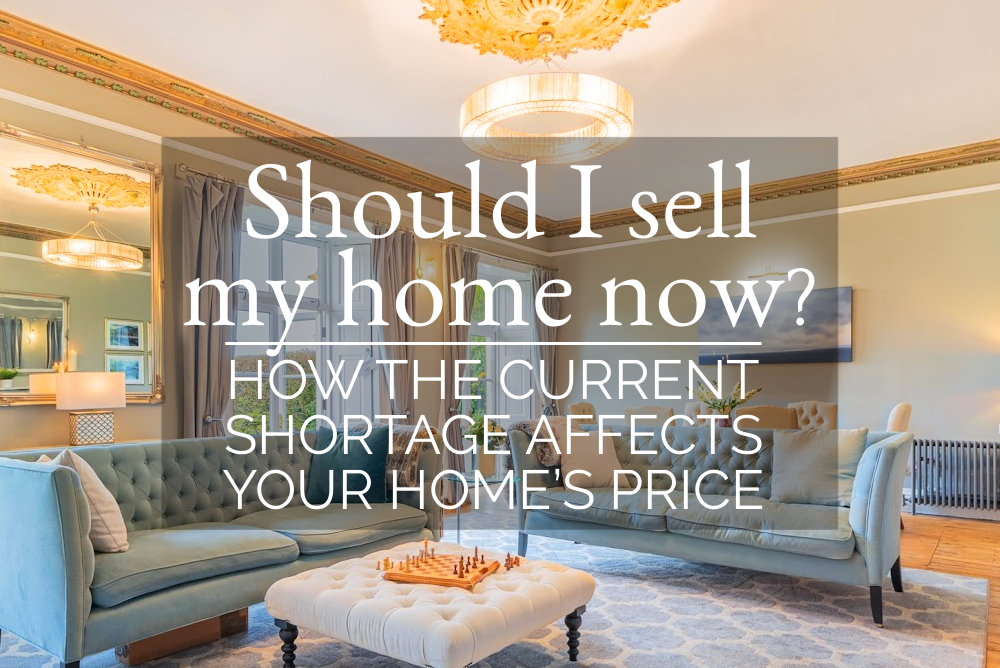
Should I sell my home now? How the current shortage affects your home’s price

2021 was a tremendous year for home price growth in the UK – the strongest since the mid-2000s – with many areas and types of home seeing values increase by double-figure percentages. This means a house bought for £500,000 only two years ago could be worth up to £600,000 today!

The huge imbalance between supply and demand, with many more buyers than homes available, has been the key driver behind these extraordinary increases. If you own a unique home and you’re thinking of selling, you have a rare opportunity to sell your home for far more than its ‘logical’ value.

Chicken and Egg 

Across much of the country, the best price rises have been at the higher end of the market. Historically low mortgage rates and a desire for extra space – especially as more people have found themselves working from home – has encouraged many homeowners over the past couple of years to upsize to larger homes.

The biggest challenge with the current lack of homes available to buy is that many homeowners can’t find anywhere to move to, so instead are staying put until that dream home comes on the market. This has created a ‘chicken and egg’ situation where the market is facing a stalemate – no one can move if no one is moving!

What’s likely to happen to prices as we move through 2022?

As more sellers decide to take advantage of current demand and put their home on the market, that increase in supply is likely to lead to slower price growth, with Rightmove predicting that average prices will have risen by around 5% by the end of this year, marking a considerable slowdown in price increases compared to the last two years.

At Stonehouse Homes, we’re already seeing a significant increase in the number of people inviting us to give them an up-to-date valuation of their home. Therefore, although right now, demand from buyers is still far outstripping supply, we expect this gap to close over the next few months.  As this happens, buyers facing a greater choice will be less willing to pay a premium for their next home, even if they can afford to do so.

Getting the right price for your home

Sell sooner rather than later to get the best price. Of course, no one knows what’s going to happen to house prices in 2022, but early indications are that we just won’t see the record prices achieved in 2021. This means selling now will give you a degree of certainty and avoid you regretting sitting tight later in the year when house prices could flatten out. This is especially true if you’re downsizing or selling a second home, when you can best take advantage of the price differential or the funds you could realise in an early sale.

National, and even regional, house price averages are just that – averages. Every area has its own micro-market, and the price performance of different types of home can vary from one village, and even one street, to another. As your local property experts, we keep a very close eye on the details of the market, so we can best advise you on timing and selling strategy, to help you maximise your selling price.

What’s next?

Let’s have a chat about if and how moving on right now could be the right decision for you. At the very least, we can act as a sounding board to help you make an informed choice. And at best, you could realise a life-changing sum of money from your house sale and move on, secure in the knowledge that you captured the very peak of the market.

You can reach us on 01772 252136 or at info@stonehousehomes.co.uk , and I’ll very much welcome the chance to chat through your potential plans.

Posted on

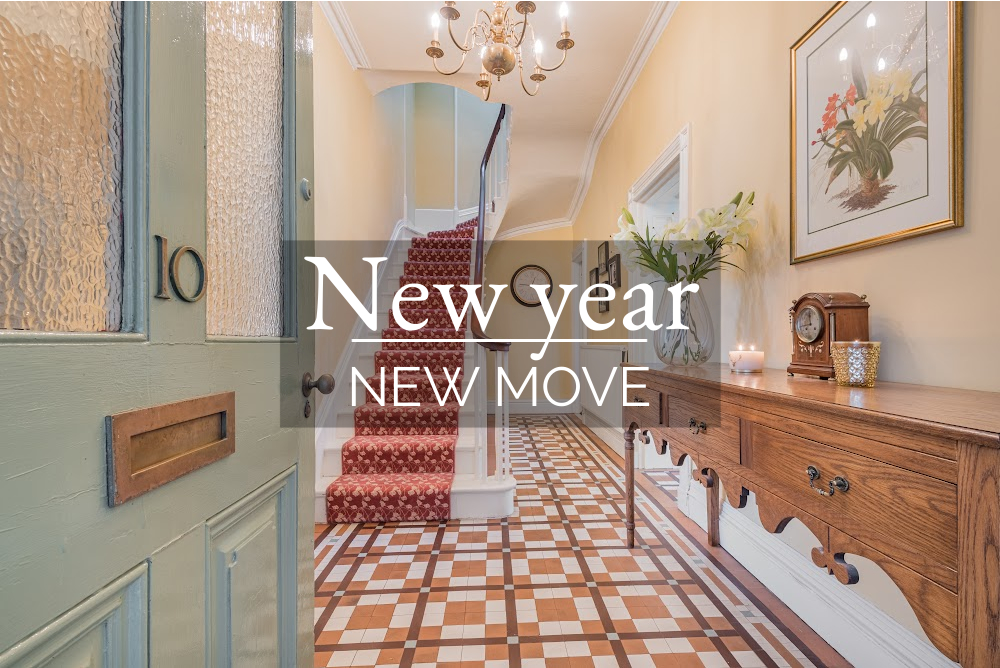
New year, new move

The new year encourages many of us to make positive changes in our lives. A popular choice is pledging to do more exercise, while some people might decide to learn a new skill. But if you were one of the many sellers who put their home on the market last year and you haven’t yet found a buyer, this new year you’re probably resolving to get that sale!


As estate agents, we find that pretty much every new year brings with it not only a flood of requests from homeowners for valuations, but also a steady stream of enquiries about homes for sale. That means as we make our way through winter towards the spring, the market is usually buzzing.


So, how can you best take advantage of this activity and make sure your home attracts and secures the perfect buyer?


Here’s our round up of five positive steps you can take right now to revamp your marketing strategy and ensure this is the year you move on and make a fresh start in a new home.


  1. Take a brief rest from the market

In our experience, a home tends to generate the greatest interest from buyers in the first two to three weeks that it’s on the market. When your home appears as a new listing, buyers who are registered with online portals should receive a link to the details, and your agent should be sending out the brochure to their own database of potential buyers.


But after that initial flurry of activity, things often settle down on the viewing front, and we find that the longer your home is on the market, the less likely it is to attract the perfect buyer. As those who have been looking for a new home for a while keep seeing your listing, the fact that it hasn’t sold yet may make it less desirable to them, and you’re more reliant on new buyers who are just starting their search.


So, if you’ve been advertising for several months, it could be a good idea to take a break just for a few weeks, in order to reignite interest. Give the market time to move on a little bit – let some sales of other homes that are comparable to yours go through and wait for new buyers to enter the mix – then you can relaunch your home with some fresh marketing.


And while you’re temporarily off the market, you can use the time to review your sales and marketing plan with your agent and take some positive actions, beginning with a review of what buyers who have already seen your home have said about it.


  1. Review feedback from viewings

Feedback from potential buyers who have viewed your home can often be incredibly useful. Finding out what they liked and what didn’t appeal so much helps both you and your agent understand what could be discouraging people from making an offer.


For instance, if viewers thought some rooms felt a little dark or smaller than they’d hoped, could you change the lighting or perhaps rearrange some of the furniture to maximise light and space? Or, if the feedback was that certain rooms felt dated or needed some work, would you be prepared to spend a little money on upgrades or redecoration, to help achieve the best possible price for your home?


So, discuss with your agent the feedback people have given so far, and if several buyers have highlighted the same points, look at whether there’s anything you can do to change those things and make your home more attractive to buyers. And feel free to contact us for some advice – we’re always here to help!


  1. Style your home for the spring

Some simple restyling can be a great, cost-effective way to give your home a new look for the new year, and you might be surprised what you can achieve with just a few accessory changes.


Pack away any dark-coloured or heavy cushions, throws and rugs – all the touches that helped make your home feel extra cosy through the winter – and replace them with lighter fabrics. Invest in some crisp white bed linen (which will also brighten up the bedrooms in your new home when you move!), and make sure curtains and blinds are well drawn back to let as much daylight in as possible. Breathe new life into each room with freshly cut flowers and leafy plants, and swap large pillar candles and storm lanterns for just a few more subtle, light floral-scented candles. You can also check out the latest issues of home magazines for more current style tips.


Finally, think about how the furniture is positioned – could a different configuration make a room feel more spacious and inviting to potential buyers? And don’t forget, you can always ask for some help with this. We know ourselves that it can be tricky to look at your own home objectively, so maybe ask a friend to cast their eye over it and give you an unbiased opinion.


  1. Ask your agent to take new, professional photographs

Professional photographs can make all the difference to the success of your home’s marketing. Great eye-catching photographs don’t only show what’s in a home, they tell a story and illustrate a lifestyle that really grabs the imagination of potential buyers, making them want to live that life themselves.


For example, a professional sitting room photograph might feature a roaring fire and some glossy magazines next to an afternoon tea on the table, conveying a sophisticated, yet warm and relaxing feel. And a bathroom shot might show a steaming bubble bath, surrounded by candles and soft lighting, to give the feeling of a luxurious spa.


A photographer who’s experienced in shooting homes for magazines and sales brochures will know exactly how to capture each room looking its absolute best – from the angle and lighting to incorporating the finest lifestyle features into the shots.


So, once you’ve revamped the styling of your home, ask your agent to have some new, professional photographs taken. Not only will that ensure your images look current and in line with the season, but if you’ve taken a break from marketing, it means you can relaunch with an entirely new portfolio of stunning shots and potentially attract buyers that might not have noticed your home before.


  1. Update your brochure

Take another look at the brochure your agent’s been sending out to prospective buyers. Are you happy with the quality, and do you feel it properly reflects the value of your home? It should showcase a desirable lifestyle that will grab buyers’ attention and entice them to view – does it do that?


Once you’ve had new photographs taken, your brochure will need updating anyway, so this is your opportunity to make any other changes that could help attract that perfect buyer. So make sure:


  • The front cover features a striking photograph of the exterior – we find a twilight shot with all the interior lights on often makes a stunning first impression
  • The order of the interior photos takes buyers on a logical journey through the home, as they might see it on a viewing
  • The written copy has an enthusiastic tone and is full of descriptive and emotive adjectives to capture the buyer’s imagination
  • There is a floorplan that includes room dimensions and the overall floor area and shows the orientation of your home.


Of course, depending on how your agent responds to your suggestions and how happy you are about your experience with them to date, you may feel it’s time for a complete change of approach with a new agent. In that case, take a look at our blog ‘Thinking of changing estate agents? – Our smooth move guide’ 


And if you’re ready to step things up a gear so you can get moving this new year, we’d love to hear from you. Get in touch and we’ll be delighted to take you through our bespoke marketing approach and discuss how we can help you achieve a successful sale at the best possible price. Just call on 01772 252 136 or email info@stonehousehomes.co.uk and we’ll get right back to you.

Posted on

How saleable is your home? Try our saleability scorecard and see

Selling a home might not be an exact science, but there are a number of factors that will make a huge difference to how successful your sale will be.

Our experience has shown us that homes that sell quickly and for a good price tend to have certain key things in common, so we’ve developed a checklist that we can use to analyse the saleability of any home. We rate various elements of your marketing approach across five categories, awarding up to a maximum of five points for each element to give your home an overall ‘Saleability Score’.

Using our scorecard, you’ll be able to see for yourself where there may be room for improvement in your marketing. Once you’ve identified which areas aren’t as strong as they could be, you can discuss those points with your agent and work together to turn things around so that your home makes the right impact on buyers.

So, if your home has been on the market for a while and perhaps you haven’t had quite as many viewings as you’d hoped, run through our Saleability Scorecard and see how your marketing stacks up. Set aside a couple of hours, and make sure you have your printed brochure and online listing to hand. Think about every question carefully, and try to look objectively at your marketing materials and how your home is presented. Then give your answers in the form of points, awarding from a minimum of 1 to a maximum of 5 for each bullet point listed under each element below:

  1. Your estate agent

Communication and feedback are key to helping you understand how the marketing is going and reassuring you that your agent really is doing their best to sell your home. So:

  • Do they call you regularly – at least once a week?
  • Do they accompany every viewing?
  • Do they give you detailed feedback after each viewing?
  • Have they made any suggestions around how you might be able to generate more viewings – other than dropping the price?

  1. Your brochure

Your brochure needs to convey the quality of your home, setting a standard and value before the prospective buyer sees it in person. And the photographs have got to showcase a desirable lifestyle, grabbing buyers’ attention and enticing them to view.

  • Does the brochure fully represent your home – we usually recommend 16–20 glossy pages – and does it have a luxurious feel?
  • Are your photographs professional, and do they sell a lifestyle? The features of each room should be shown in crisp detail, and the images should convey an aspirational feel. In a sitting room, for instance, fires and candles should be lit, fresh flowers put out, and lights switched on to ensure the room looks spacious and bright, but cosy and inviting at the same time. A gently bubbling bath with flickering candles is selling a relaxing and luxurious lifestyle, not just a bathroom. And for kitchen photographs, some fresh baking will bring the image of the room to life and stimulate more than just the buyer’s visual senses.
  • Is the written description enthusiastic in tone and full of emotive adjectives? The copywriter should be conveying a narrative that really captures the buyer’s imagination and makes them want to experience your home for themselves.
  • Does the floorplan include dimensions and the overall floor area and show the orientation of your home?

  1. Your online advert

This is your virtual shop window, and with the possibility of hundreds of other homes appearing in search results, your listing needs to stand out.

  • Does your main photograph grab a buyer’s attention and encourage them to click for more information? We find that a twilight shot with all the interior and exterior lights on can be a particularly striking image and is often the best one to use online.
  • Does the listing have a punchy, eye-catching headline?
  • Is the description concise, while still selling the best features of your home in a flattering way?
  • Is there a good-quality image of the floorplan, and brochure download button available?

  1. The price

If a home is marketed at too optimistic a price, it tends to sit on the market for longer. So you must make sure your home is advertised at a price that both reflects its true value and attracts buyers.

  • Is your asking price a round figure, e.g. £950,000, not £949,999?
  • Does your home appear at the top of a search in your price range?
  • Do you know how your price per square foot compares to that of other similar homes in the area?
  • Have you stuck to your asking price, even if your agent thinks you should drop it?

  1. Preparing your home for viewings

You must do all you can to make buyers fall in love with your home – from the moment they first see it on the market to the end of their viewing.

  • Do you style and tidy the outside – both the garden and your home itself?
  • Do you have fresh flowers inside?
  • Do you dress all the beds?
  • Do you switch on lamps, light candles and have fresh coffee or baking to create a homely and welcoming atmosphere? For more inspiration, take a look at our blog, ‘6 simple steps to prepare your home for viewings’. https://www.stonehousehomes.co.uk/6-simple-steps-to-prepare-your-home-for-viewings/ 

Now, add up the points.

If you have a Saleability Score of more than 80, well done – that suggests both you and your agent are on top of your home sale! Just take note of the areas where you might want to make a few tweaks, and if you still find you’re not getting enough viewings, then get in touch with us.

If you’ve scored between 50 and 80, there are probably quite a number of areas that you and your agent could work on. The good news is, this means there’s every likelihood that if you can just make the right improvements to your marketing, you should be able to attract much more interest and start to get some offers coming in.

However, if you have under 50 points, it’s probably time to consider a full marketing makeover. And if your current agent hasn’t already addressed the various challenges, it could be time to switch to one that’s more proactive and professional in their approach. We would be more than happy to discuss how we can help you with this, so please feel free to get in touch with us at any time.

And if you’re feeling a little disheartened by your result, be encouraged by the fact that there are plenty of things you can do to make your home much more saleable – with the right agent on board. The important thing is that you take action right away. If you don’t, your home will simply sit on the market, leaving it at risk of possibly going ‘stale’, which is likely to reduce your chance of getting a good sale price. When buyers see the same home being advertised in the same way, week after week, it gives the impression that something isn’t quite right. So it’s time to grab the bull by the horns!

The first port of call is to speak to your agent, show them our Saleability Scorecard and find out whether they agree with your ratings. It may be that they have their own ideas about the kinds of changes that could be made and are keen to work with you to turn things around.

However, if you don’t get the response you were hoping for, give us a call – we can review your marketing ourselves and give you our expert opinion on what needs to be done to secure a successful sale. Then, once we’ve visited your home to appraise it fully, we’ll come up with a bespoke marketing strategy that focuses on promoting all the best features of your home and relaunch it onto the market in style!

If you’d like to discuss your current situation and find out how we can help you and your home get the sale you deserve, just give us a call on 01772 252136 – or email info@stonehousehomes.co.uk – and we’ll get right back to you.

Posted on

7 Tips to sell your home in winter

If you’re ready to move, you might be wondering whether to put your home on the market now or wait until the spring. Well, although winter may traditionally be a quieter time for home-moving than spring and summer, the market is still very much open for business and selling your home in this colder season does have its benefits.

As those who aren’t in a hurry to move tend to hunker down and focus on festivities, buying and selling activity usually dips a little over the winter period. That gives motivated sellers who push ahead with marketing two advantages:

  1. Although you may get fewer viewings overall through the winter, those who make the effort to look at potential new homes despite the inclement weather, are generally committed buyers who are serious about making offers.
  2. If there is a slight drop in the number of homes on the market, there’s less competition. That means you should get a higher proportion of buyers viewing your home and, with fewer houses for them to choose from, they should be quicker to make an offer if they like what they see!

Remember, even if there’s a howling blizzard outside, the internet is always up and running. House-bound potential buyers will have plenty of time to browse through online listings, and estate agents’ doors and phone lines are still open.

So, if you’re keen to secure a sale this winter, it’s time to revitalise your marketing for the season and prepare to show buyers that your home is a wonderful one to live in – whatever the weather’s doing outside!

With that, here are our top 7 tips to help you sell your home this winter:

  1. Style for the season

Work with the colder weather and shorter daylight hours by styling your home so that it reflects the season and creates a cosy atmosphere.

Refreshing soft furnishings and accessories is a simple way to transform the look of a room, so replace light cushions and throws with heavier fabrics and deeper colours. Pillar candles in storm lanterns cast a lovely light and can make a great focal point on a coffee table, sideboard or kitchen countertop. Winter-scented candles – think cinnamon, spiced pumpkin and orange – can also help create a welcoming seasonal vibe.

Low-maintenance green plants, such as peace lilies and Boston ferns will add life and are easy to look after, and potted orchids should give you long-lasting flowers and just a hint of spring around the corner.

Finally, if you’re wondering whether you should put up Christmas decorations, we’d say yes – as long as they’re not overpowering. Festive décor can add a lovely, cheery feel to your home, but you don’t want to detract from the natural space. So, even if you usually dress every room from head to toe in Christmas trim, hold back a little this year!

  1. Maximise light

Low natural light in winter can sometimes make interiors feel dull, so make sure you let as much daylight in as possible when you have viewings. Pull back the curtains, make sure blinds are fully rolled up and clear window sills of any large objects that might block light from getting into a room.

Another thing to consider is how you could change the lighting to show off the size of each room – emphasising the height in particular can make a huge difference to how spacious rooms feel. Investing in some higher-wattage light bulbs is a simple way to brighten up your whole home, and have plenty of lamps throughout to add a warm and welcoming glow.

  1. Turn your garden into a winter wonderland

With fewer daylight hours for potential buyers to appreciate the outside of your home, install some pretty garden lights to inject a touch of ‘winter wonderland’. There’s a huge range of all-weather options for exterior lighting – from strings of fairy lights for trees and summer houses, to stakes for lawns or borders and spotlights for pathways. And many of them are solar powered, so once they’re up, you don’t need to think about plugs or timers.

If you have a terrace or other outdoor seating area, you could add solar-powered lanterns and why not consider investing in a heat lamp or fire pit that you can take with you to your next home?

  1. Refresh your photography

The best way to keep your home looking fresh in adverts is to ensure the photography is always in line with the season. So, if your current photos were taken in the summer, speak to your agent about updating them.

Have the interior shots taken once the styling has been refreshed for winter, but before you put up any Christmas decorations, as they would make the pictures a little too time specific. And for the exterior, make sure the photographer gets some shots at twilight, with plenty of lights on – inside and out, so your home glows and the garden twinkles!

  1. Stay on top of maintenance

With higher levels of rain and wind – plus frost and possibly snow – you may have a few more jobs to do than usual to keep your home looking its best through the wintertime. But it’s worth doing a daily maintenance check because even if you don’t have a viewing booked, you never know when potential buyers might be passing by to check out your home from the outside.

Three key things to stay on top of:

  • Keep paths free of leaves, snow and other debris
  • Make sure drains are clear so rainwater doesn’t pool or flood
  • When it’s icy, salt the driveway and paths

Also, you may want to keep a close eye on how clean your windows look, as low light can be unforgiving and you want your home to sparkle!

  1. Get set for perfect winter viewings

When it’s chilly outside, you want to welcome potential buyers into your home with warmth on all fronts. So turn the heating up a few degrees ahead of the viewing, light fires and candles for a cosy atmosphere, and make sure every room is well-lit.

Check the garden and other exterior lights are on, so people can clearly see where they’re going, and make sure there’s somewhere to hang up coats and leave umbrellas and boots. If you don’t have a porch or hallway, it’s worth popping a coat stand by the front door – and don’t forget a clean doormat.

A nice touch is to offer viewers a warm drink and even a seasonal nibble – perhaps a mince pie or some gingerbread. The more welcome you can make people feel, the more positive they’re likely to be as they walk around your home, hopefully leaving them with a happy memory of the viewing and your home.

  1. Discuss the festive period with your agent

Find out what your agent’s business hours will be over Christmas and New Year, and make sure you keep them posted on your own plans – any specific days when you’re going to be entertaining or hosting family and friends and when viewings wouldn’t be convenient.


If you’re going to be very busy over Christmas, you could simply consider taking a short break from selling for a couple of weeks. The best thing to do is have a chat with your agent and come up with a strategy for the festive period, so you can relax and enjoy yourself, while making sure you don’t miss out on a potentially perfect buyer.


If you’re keen to sell and are ready to start marketing your home this festive season, get in touch and we can discuss the best strategy for finding you a buyer this winter. And if you’re already on the market with another agent but haven’t had any offers yet, we may be able to help you secure a sale ahead of Christmas – so give us a call! Phone on 01772 252136 or email us on info@stonehousehomes.co.uk and we’ll get straight back to you.

Posted on

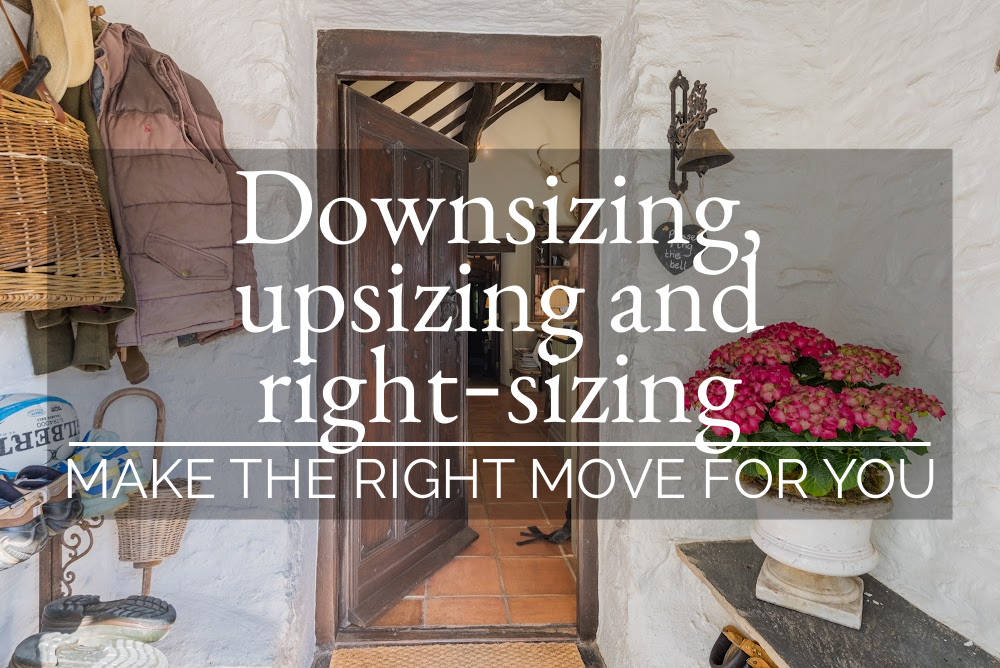
Downsizing, upsizing and right-sizing – MAKE THE RIGHT MOVE FOR YOU

Are you thinking about making a change to where you live? If you no longer need all the rooms in your home, you might have decided to downsize into something smaller. Or perhaps it’s the opposite – you need more space, in which case, it could be time to upsize into a new place. On the other hand, if you love your home and it’s in the perfect spot, maybe you’re toying with the idea of getting the extra room you need by extending.

A report from UK Finance found that people stay in their homes for an average of 20 years, and selling and buying does tend to take time, money and effort. So, before you set the wheels of change in motion, try to look ten years ahead and think about how your needs might change over that time.

Whether you’re looking for more or less space, the clearer you can be about what you want and need from your new home – and why – the easier it will be to narrow down your options and find something that’s going to suit you well for the foreseeable future.

So let’s explore some of the options out there and what you need to consider as you move up or down the property ladder. You might even discover a great solution you hadn’t thought of before!

Extending or converting your existing home

If almost everything is perfect about your current home, but you just need a bit more space – perhaps a room you can use as an office, a bigger dining kitchen or extra bedrooms – it might be worth seeing if you could extend or re-jig the accommodation.

Two key things to consider here are:

  1. Would the cost of transforming your home be reflected in an increase in value? You might not have any intention to move in the foreseeable future, but at some point you may want or need to sell. So, once you’ve got a good idea of what changes you’d like to make, it’s well worth asking a local agent to give you their opinion on how much the work could add to the price of your home. We’re always happy to help with this – just give us a call on 01772 252136.

The best way to add value is to increase the amount of usable space in your home, perhaps by extending to add a reception room and bedroom above, or converting a garage or loft into living space. But bear in mind that your immediate local area will have a ‘ceiling’ for market values – that’s a price that a home is unlikely to sell above, simply because of the size and type of other homes around it.


For instance, if you live in a road of mainly three- and four-bedroom homes with one or two reception rooms, it might not be worth increasing your accommodation to five bedrooms, three reception rooms and a granny flat. If that’s the kind of space you need, moving to an area that has more homes of a similar size might be a better option. Again, come and speak to us to find out what’s likely to be the best investment from a resale perspective.

And remember that the best extensions feel as though they’ve always been there, so if you do go ahead with works, it’s advisable to choose an architect who has experience in designing for your particular age and style of home. While you may need to pay a bit more for the best solution, it’s well worth the investment to keep a good flow and feel to the home.

  1. How disruptive are the building works going to be? If you’re converting the loft, it might not be too intrusive, but if you’re extending, then parts of your home might be unusable for weeks or even months. In that case, you may want to think about moving out while the improvements are being made. Bear in mind that if you have to pay for an alternative temporary home, that’s going to add to the overall cost of the project.

Something else to consider is whether you could gain the extra space you need by building separate accommodation in the garden – assuming it’s big enough. If what you’re after is an office or guest annexe, there are some excellent self-contained units on the market that you could have up and running in under a month. Going down this route could be easier, cheaper and quicker than carrying out works on your home.

With any building project, it’s important to check with the local council whether planning permission is required and what building regulations you’ll need to comply with. And bear in mind that it could take up to eight weeks for the council to consider even straightforward planning applications, so factor this into your timescale.

Moving up the property ladder

If you need a bigger home and you’re ready for a change, or it’s not possible to extend where you live at the moment, then you’ve got a pretty open book of options. There could be plenty of homes for sale that are the right size, but how do you make sure you pick the one that’s really right for you?

Well, when you’re moving for a specific reason, it’s important to be led by your head and not your heart. It’s all-too easy to fall in love with a beautiful kitchen, a fabulous view or the perfect family room, but if you let your emotions chip away at the square footage you know you need, you could end up running out of space again in just a few years.

This is where an estate agent can really help. It’s worth spending some time speaking to them before you start viewing potential new homes, to explain exactly why you’re moving and the number of bedrooms, reception rooms and other spaces you need. Then they can make sure all the homes you view at least meet your minimum requirements, and you can be confident that anything you’re tempted by already ticks the size box. Give us a call and we can take you through what we’ve currently got on the market in your range – maybe one of them will be the perfect fit for you!

And if you’re prepared to do some work to turn your next purchase into your dream home, again, be clear with the agents you speak to about how much of a project you’d be happy to take on, and they should be able to show you a variety of homes with potential.

Downsizing to a smaller home

At the other end of the moving spectrum is downsizing. Maybe you’ve spent years having friends to stay, entertaining and making full use of all the rooms in your home, but now that whirl of activity has come to an end, and you just don’t need all the space you currently have. You might be moving to a much more expensive area for work or lifestyle reasons, and your money simply won’t stretch as far, or it could just be that you’ve decided you’d prefer a smaller home.

If you are looking to downsize, you might also want something you won’t have to spend much time and money maintaining. So, even if you’ve enjoyed living in period homes until now, it may be time to consider something modern that has guarantees and warranties and will be low-maintenance and energy efficient.

It’s also important to think about whether you want this downsizing step to be your last move. If so, it’s worth planning ahead and making a wishlist of everything you think you’re going to want in your new home. Although compromises sometimes have to be made when you move, if this is your ‘forever’ home, it should be as perfect as possible – even if it takes a little longer to find.

Whatever your reason for downsizing, it can be the trickiest move to make. Even though it might feel like the natural ‘next step’, the reality is that you’re not going to be able to take all your furniture and possessions with you. So, as well as cutting back on living space, you have to work out which things you really want to keep and what won’t be making the move with you. There are plenty of house clearance companies and auctioneers who will be happy to value the items you’ve decided to part with; then you can choose what to include in the sale and what you’d like to sell separately. And make sure your agent has a full list of fixtures and fittings with prices, so they can negotiate with buyers and hopefully help clear one job off your moving list!

Whether you’re upsizing, adapting your current home or downsizing, we’re always very happy to chat through your options and lend our expertise to help you make the right move. Just give us a call on 01772 252136 or email us on info@stonehousehomes.co.uk and we’ll get right back to you.

Posted on

Thinking of changing estate agents? Our smooth move guide

A great agent will be focused on selling your home at the best price, in a timeframe that suits you. If everything goes well, they’ll put the right value on it, market it effectively, then negotiate and progress your sale so you can move on to your new home as planned – and they’ll make the whole process as pain-free as possible. That’s what we strive to achieve for every one of our clients, and it’s what every seller hopes their experience will be.

But it’s not always plain sailing, and if your home’s been on the market for a while, with no sale in sight, you might be feeling disappointed and thinking of changing agents.

There could be several reasons why things haven’t gone as you’d hoped. Your agent may have seemed like the perfect choice to sell your home in the beginning, but they haven’t quite lived up to expectations. Maybe the viewings you were promised never materialised and now the agent is putting you under pressure to drop the price. Or perhaps they were attentive and positive at the start, but now their phone calls and emails are getting less and less frequent, and you feel as though getting your home sold is no longer a priority for them.

On the other hand, you may think your agent really has done their best, but for some reason things just haven’t worked out, and it’s probably time for a change.

Whatever the situation, if you feel you’ve come to the end of the road with your current agent and you want to switch to a different one, what’s the best way to go about it?

Here’s our handy guide to making the transition from old agent to new as smooth as possible:

  1. Be clear on exactly what’s not working for you

It’s often helpful to make a list of what you’re not happy with and what’s been done to address things to date, so that you’re well prepared for a frank conversation with your estate agent. Doing this will also help you be clear on what you want a new agent to do differently.

  1. Check the terms of your current agreement

The most common contract between an agent and their client is ‘sole agency’, meaning that only that estate agent has the right to sell your home and claim the sale commission. Check if you have a tie-in period, and what notice you need to give, so you can plan accordingly.

  1. Have a forthright discussion with your estate agent

Before you jump straight into terminating your agreement with your agent, have a chat with them. They may have no idea you’re unhappy and disappointed with the way things have gone so far, especially if you haven’t voiced your concerns to them. A good agent will ask for a review meeting with you and suggest ways in which your saleability could be improved. They may offer to re-photograph your home, re-launch it on the portals or suggest a reduction in price.

Whether you decide to give your estate agent another try or terminate your agreement and switch to another estate agent, you’ll feel more in control of your home sale by taking affirmative action now.

  1. Shortlist alternative estate agentsIf you’re ready to switch estate agents, ask your friends and family which agents they would recommend in the local area and why. Then check out these agents’ portfolios. Are they currently listing and selling homes like yours? Would you be the most expensive, or the cheapest, house in their portfolio? Check out their reviews on Google and Facebook and what their standards of photography and marketing are like.

When you have one or two agents you think would be worth chatting to, call and arrange a meeting at your home.

  1. Ask the right questions

Asking the right questions of a prospective new estate agent will furnish you with the right information so you can make an informed decision, and potentially improve your chance of selling and moving on.

Use this list of questions as a checklist to start an open dialogue with the agent:

  • Why do you think our home hasn’t sold? Is it the price, the marketing, the presentation…?
  • Is there anything you think we need to do or change about the presentation and styling of our home to achieve the best price?
  • What will you do differently to our previous agent? This is a really important question, because you don’t want the same challenges you’ve already faced to reappear with a new agent.
  • How do you plan to market our home? This should give you an insight into how proactive they are in finding and matching potential buyers, how creative their marketing is and what gives them the edge over other agents.
  • How often will you communicate with us, and will it be by call, email or text? For instance, will they phone you with feedback after each viewing? In our experience, when clients aren’t happy with their agent, it’s often because of a lack of communication – and that can be a challenge regardless of whether you’ve been on the market for a week or several months – so get a commitment from them on staying in touch and keeping you informed.
  • What kind of agency agreement do you offer and what is the minimum term? If you weren’t happy being tied into your previous agent’s services for several months, you may be able to negotiate more flexible terms this time.

During the valuation meeting, notice whether the agent is also asking you questions. You want an agent to be interested in understanding your situation, as well as your motivation for moving home, so they can tailor their approach to give you the selling experience you deserve!

  1. Seal the deal

Choosing an estate agent is like dating – do you like them enough to want to see them again?? When it works best, the relationship between you the client and your estate agent is a partnership – one that will last at least for months, and sometimes, years. You need to feel that your agent has your back and will be your biggest supporter when times get tough down the line, especially in challenging negotiations with a buyer.

Whilst our advice is not to jump straight into a relationship with a new estate agent straight away, if you really feel you’ve exhausted the will, patience and skill of your current agent, then moving to a new agent could be just what you and your home needs.

We’d love to have a confidential chat with you about your options, and we’ll tell you frankly and openly why we think your home has not yet sold and what we think the answer might be. We rarely suggest a price reduction and prefer to use our marketing and styling skills as a first approach, but let us tell you more about those in person!

You can reach us on 01772 252136 or at info@stonehousehomes.co.uk – we’re really looking forward to hearing from you.